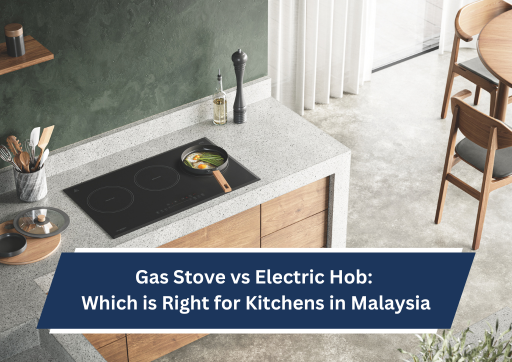
Sizzling topic! What is better for your kitchen, a gas hob or an electric hob? When it comes to kitchen appliances, Malaysians know the choice is not as simple as old versus new. It is about how our cooking habits shape the kitchen space, how meals are defined by heat, and how we balance tradition with the modern kitchen. This is truly an electric vs gas question for every home cook.
Gas hobs have long been the default in our kitchens. For generations, they powered everything from stir-fries to slow-braised curries. That visible blue flame became a symbol of control and strength in cooking.
Today, electric hobs are making their mark with sleek designs, cleaner operation, and smarter energy use. The real question is not which one looks more fashionable, but which one truly suits Malaysians’ cooking habits.
In this article, we’ll break it down together—looking at how gas hobs and electric hobs perform in a Malaysian kitchen, their strengths, and the challenges that come along.
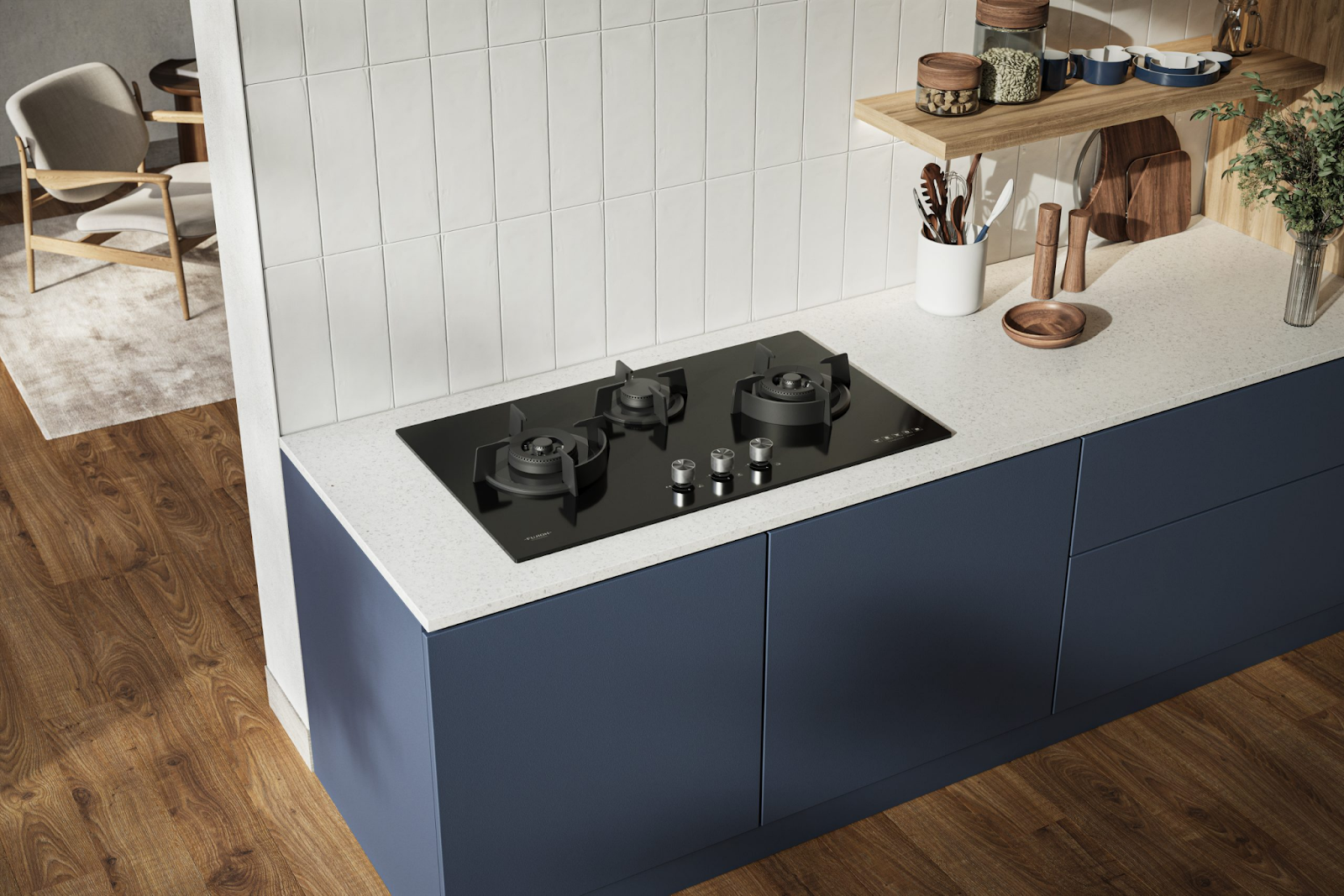
The strength of a gas hob lies in its flame. A clean blue flame delivers steady, efficient heat that cooks food evenly. For Malaysians, this is important because many of our recipes require precise control. One moment, you need fierce heat for a quick stir; the next, you need gentle simmering for sauces or soups.
Gas hobs also fit the demands of heavy-duty cooking. For example, they support cooking techniques like wok hei or deep-frying, especially during festive occasions. When your kitchen setup calls for big woks or tall pots, gas hobs offer the power and space to manage them easily.
Gas hobs are not without their drawbacks. When the flame turns yellow instead of blue, it signals wasted energy and incomplete combustion. This not only raises gas bills but also leaves soot on cookware and creates smoky residue in the kitchen. Safety is another concern, as open flames pose risks, especially in smaller homes or with children.
In humid Malaysian kitchens, cleaning a gas hob can feel like a constant chore. Food spills easily find their way into gaps and around burners, often requiring extra scrubbing. On top of that, gas supply depends on cylinders. Ordering replacements can be inconvenient, as it involves making calls and waiting for deliveries before cooking can resume. The possibility of gas leaks is also something households must always keep in mind.
Electric hobs bring a different approach to cooking. Instead of an open flame, they use electric heating elements to transfer heat directly to cookware. Both Induction and ceramic hobs offer a smooth cooking surface that allows precise cooking and faster results with less wasted energy escaping into the air. In fact, electric hobs are known for their high efficiency.
The flat glass surface also transforms the look of the kitchen. It adds a sleek, modern finish that many homeowners now prefer for its seamless integration into contemporary spaces. Cleaning is simpler too without burners or grates, there are fewer places for food and grease to collect.
Electric hobs are especially good at slow cooking, maintaining a steady, consistent temperature that’s perfect for simmering soups or stews without the constant adjustment. This makes meal preparation more convenient and less stressful. Safety is also enhanced with residual heat indicators, which alert users when the surface remains hot, reducing the risk of accidental burns.
With all these advantages, it’s equally important to consider some limitations that come with electric hobs.
Electric hobs do come with challenges. For cooks accustomed to reading flame colours as a guide, the lack of visual cue can make heat control feel less intuitive. Wok-based cooking, a cornerstone of many Malaysian kitchens, is also less straightforward. The rounded base of a traditional wok does not sit naturally on flat induction zones. While some induction and ceramic models now feature flexible cooking zones, cookware compatibility still depends on your cooking style and the pans you use.
Power supply is another consideration. In areas with unstable electricity, electric hobs may not be as reliable as gas. While they save time in cleaning, they can feel less responsive when it comes to temperature control. Reaching the desired heat level may take longer, and recovery after adding ingredients can be slower. This makes precise cooking a little more challenging and may affect the flow of your cooking process.
This is where brands like FUJIOH come in with smart kitchen solutions designed for real cooking needs in Malaysia.
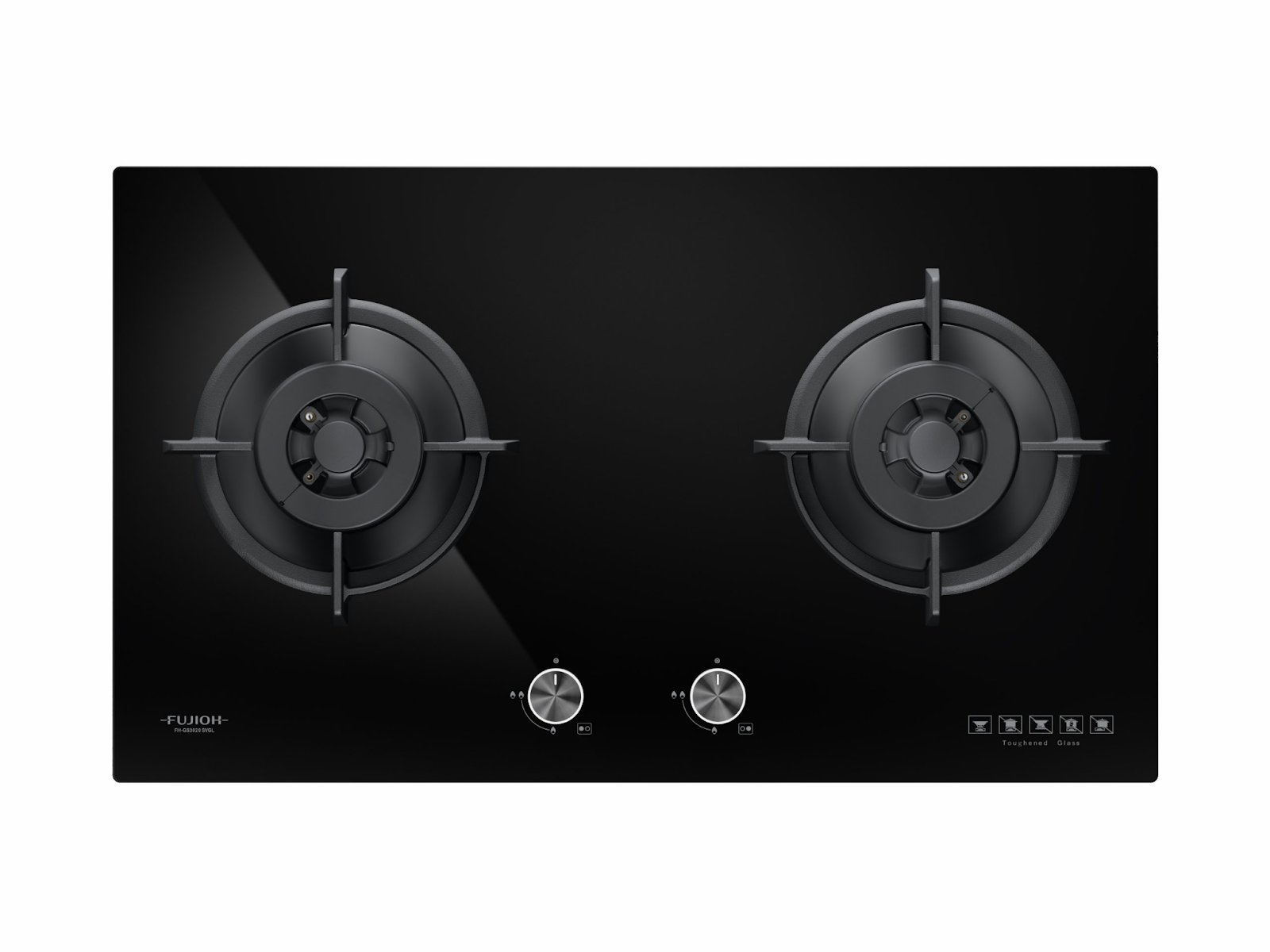
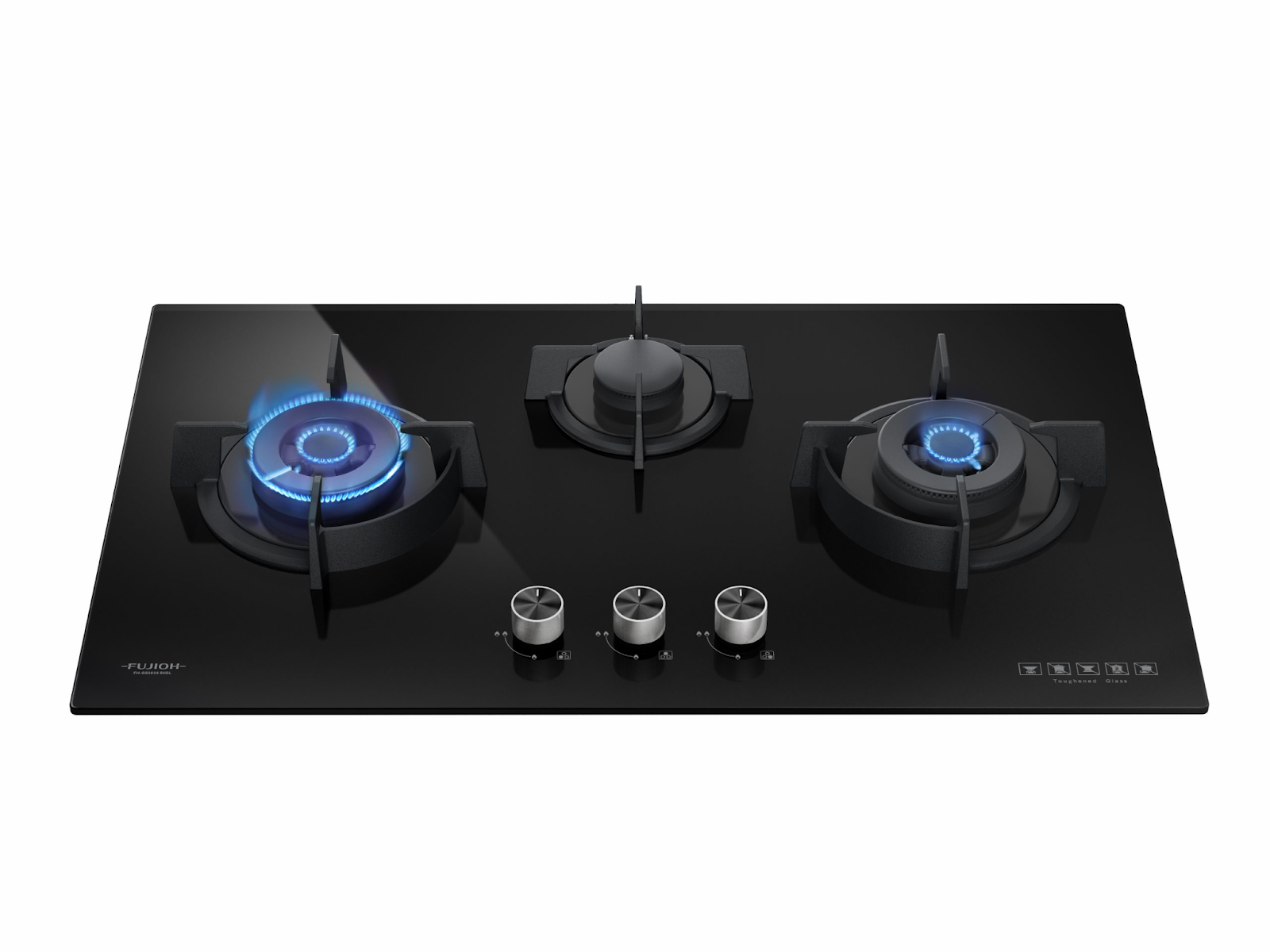
If you prefer gas hobs, the FH-GS3020 SVGL gives you precise heat control, along with safety features such as a flame failure safety device to prevent accidents. Its durable burners deliver stable blue flames, ensuring efficient combustion without unnecessary wastage or smoke.
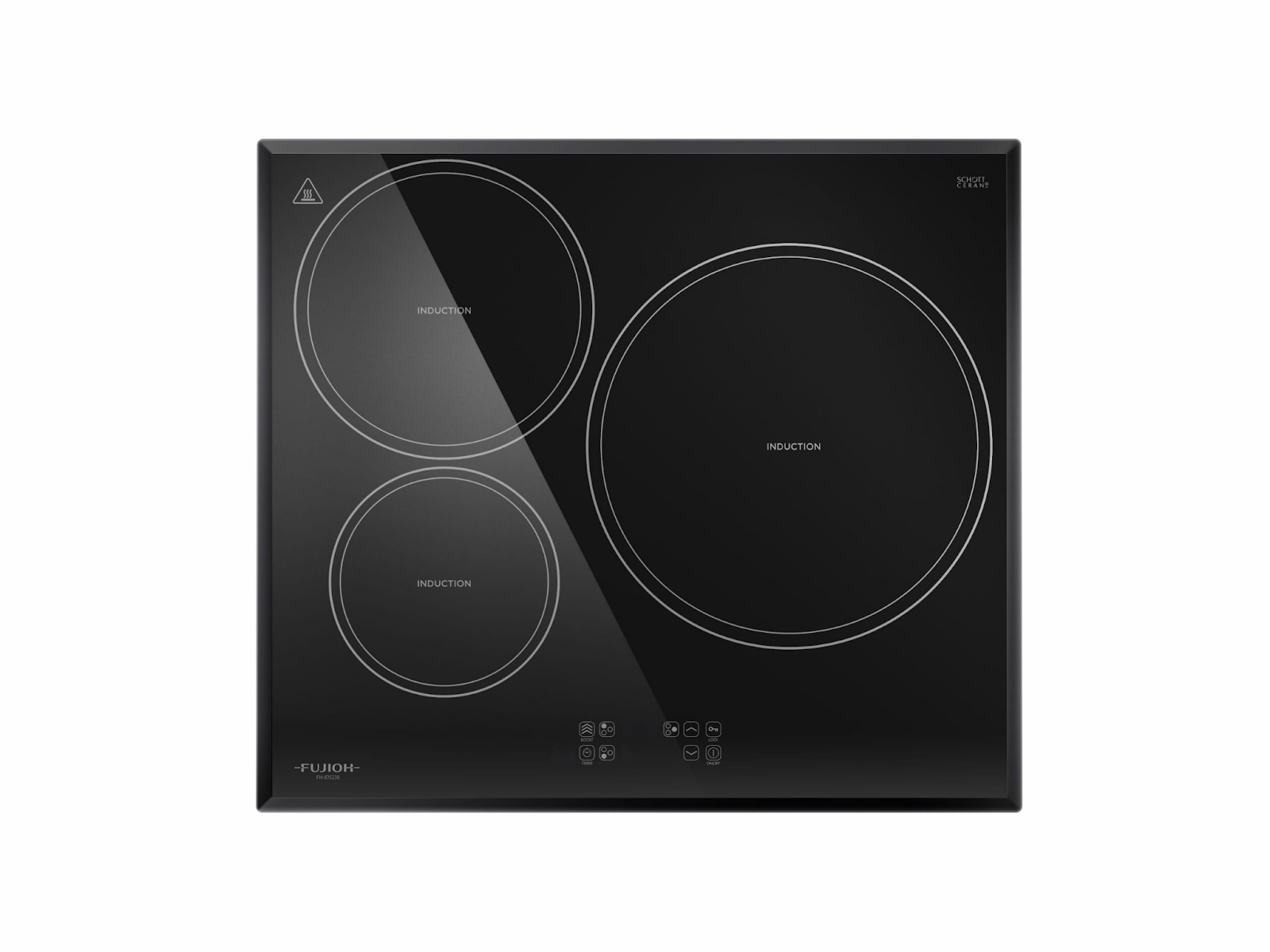
For those who prefer induction cooking, the FUJIOH FH-ID5230 built-in induction hob offers three cooking zones on a tough SCHOTT CERAN® ceramic glass cooking surface. With 9 power settings, auto switch-off, and child safety lock, it blends speed with safety in a sleek design. Fast and even heating helps busy households get meals on the table quicker, while the smooth glass surface makes cleanup effortless—an efficient, peace-of-mind choice for everyday cooking.
No matter which option you choose, FUJIOH hobs are designed to be safe, efficient, and make everyday cooking easier.
Imagine a weekday evening, when you want dinner ready quickly after work. An induction hob boils water in minutes, making it convenient to prepare soups or noodles without any delay.
Now picture a festive gathering, like a birthday celebration or Hari Raya, when multiple dishes are cooking at once. A gas hob shines here, handling larger cookware with ease and delivering steady heat that will not suddenly flicker out.
Or think of a late-night supper, when safety and convenience take precedence over speed. An electric hob lets you cook without worrying about open flames in the quiet of the night.
Each scenario shows how gas and electric hobs cater to different cooking needs. Choosing the right kitchen hobs depends on your cooking style and whether you value speed, control or convenience. FUJIOH designs its appliances with this balance in mind – honoring the tradition of Malaysian cooking while embracing the efficiency of modern technology.
Choosing between gas and electric hobs in Malaysia ultimately comes down to your cooking style. Gas hobs excel at heavy-duty cooking, deep-frying, or stir-frying, where strong flames and quick adjustments are essential. Induction hobs, on the other hand, suit different cooking methods and modern kitchen designs. Finding the right hob is about balancing your cooking preferences with your long-term kitchen setup.
With FUJIOH Malaysia, there’s no need to compromise. From durable gas hobs to sleek induction models, we offer solutions to suit every kitchen. Whether you rely on the trusted power of flame or the precise control of induction, FUJIOH ensures your cooking remains safe, efficient, and worry-free.
Your kitchen deserves a partner that understands Malaysians’ cooking habits. With FUJIOH, you’re choosing a hob that delivers assurance, convenience, and readiness for a future-ready smart kitchen.
For more information on kitchen hobs (either gas or electric hob), contact us at FUJIOH Malaysia or email enquiry@fujioh.my.
Q: What are the main differences between gas and electric hobs?
A: The differences between gas and electric hobs lie in how heat is delivered. A built-in gas hob provides a visible flame and immediate heat, making it ideal for quick adjustments and techniques like stir-frying. An electric hob, including induction models, uses heating elements or electromagnetic energy to transfer heat directly to the cookware, offering consistent temperature control and high energy efficiency. Each type has its strengths, depending on your cooking style and kitchen layout.
Q: Which type of hob is best for efficient cooking in Malaysian kitchens?
A: If efficient cooking is your priority, electric hobs are often the top choice. They heat only the cookware, minimizing wasted energy and providing precise cooking temperature. Gas hobs, on the other hand, offer greater flexibility for various cooking methods like stir-frying or deep-frying. To choose the best option, consider whether you value speed, energy efficiency, or versatility with different types of cookware.
Q: How do hobs distribute heat for better cooking results?
A: Gas hobs distribute heat through an open flame that spreads across the cooking area, while electric hobs transfer heat directly through the base of the cookware This direct heating allows electric hobs to deliver faster and more consistent results. Modern built-in hobs today are designed to accommodate a wide range of cooking styles, from quick stir-fries to slow-cooked stews, so choosing the right hob is crucial to enhance your cooking experience at home.
Q: What should I consider when choosing the right hob for my kitchen space?
A: When choosing a hob, consider your kitchen size, cooking needs, and overall layout. A smaller kitchen may benefit from space-saving options like a built-in induction or ceramic hob, while families preparing large meals may prefer a built-in gas hob to accommodate bigger pots. Pairing your hob with a quality cooker hood also helps keep the entire cooking area clean and safe. Ultimately, selecting a hob that matches your cooking style can make a significant difference in your kitchen experience.
Q: How do I find the right hob to enhance my cooking experience?
A: The right hob depends on your cooking goals and personal cooking experience. Induction or ceramic models are ideal for quick cooking and consistent temperature control, while gas hobs provide more flexibility for various cooking techniques. Modern built-in hobs come in different cooking zones, styles, and finishes. Whether you choose a gas or electric hob, the key is selecting a hob that fits your kitchen design and cooking preferences. The right cooker hood and hob is essential for a kitchen that delivers satisfying cooking results every day.
