
There is no doubt that Malaysians spend a significant amount of time in the kitchen preparing meals, whether it is a quick weekday dinner or an elaborate family gathering. With cooking methods such as stir-frying, deep-frying, and the use of aromatic spices being common in local cuisine, kitchens are often exposed to heat, smoke, grease, and lingering odours.
These challenges can be even more noticeable in modern condominiums and homes with limited natural ventilation, where cooking fumes may accumulate indoors. As a result, many homeowners choose to install a cooker hood to help maintain a cleaner, fresher, and more comfortable kitchen environment.
Available in a variety of designs and configurations, cooker hoods are designed to remove smoke, grease particles, odours, and other airborne contaminants generated during cooking. Depending on the installation type, they can either filter and recirculate the air or expel it outdoors through a ducting system.
If you are wondering how a cooker hood can benefit your household, this article explores five key reasons why it has become an essential appliance in many Malaysian kitchens.
The kitchen is often one of the busiest areas in a Malaysian home. Daily cooking methods such as stir-frying, deep-frying, and high-heat cooking can release smoke, steam, grease particles, and cooking odours into the air. Without proper ventilation, these airborne pollutants can accumulate in the kitchen and spread to other parts of the home, affecting overall indoor air quality.
A cooker hood helps maintain a cleaner and healthier kitchen environment by extracting smoke, grease particles, cooking fumes, and odours at the source. Beyond removing visible smoke, it also helps reduce fine airborne particles and grease-laden vapours that are generated during cooking. By minimising these pollutants, a cooker hood can create a more comfortable cooking environment for the entire household, particularly for children, elderly family members, and those who are sensitive to cooking fumes.
The effectiveness of a cooker hood also depends on its filtration system. Different types of filters are designed to address different ventilation needs. For example, carbon filters help absorb cooking odours in recirculating cooker hoods, while metal grease filters capture airborne grease particles before they accumulate inside the appliance or kitchen. Some advanced cooker hoods, such as those equipped with FUJIOH’s Aqua Slit Filter, feature a hydrophilic coating that allows grease and oil residue to be cleaned away easily using water, making maintenance more convenient.
Regardless of the filter type, regular maintenance is essential to ensure optimal performance. Over time, grease and residue can accumulate on the filters, restricting airflow and reducing extraction efficiency. When this happens, smoke, grease particles, and odours are more likely to remain in the air. Keeping the filters clean helps maintain strong ventilation performance and ensures the cooker hood continues to improve indoor air quality effectively.
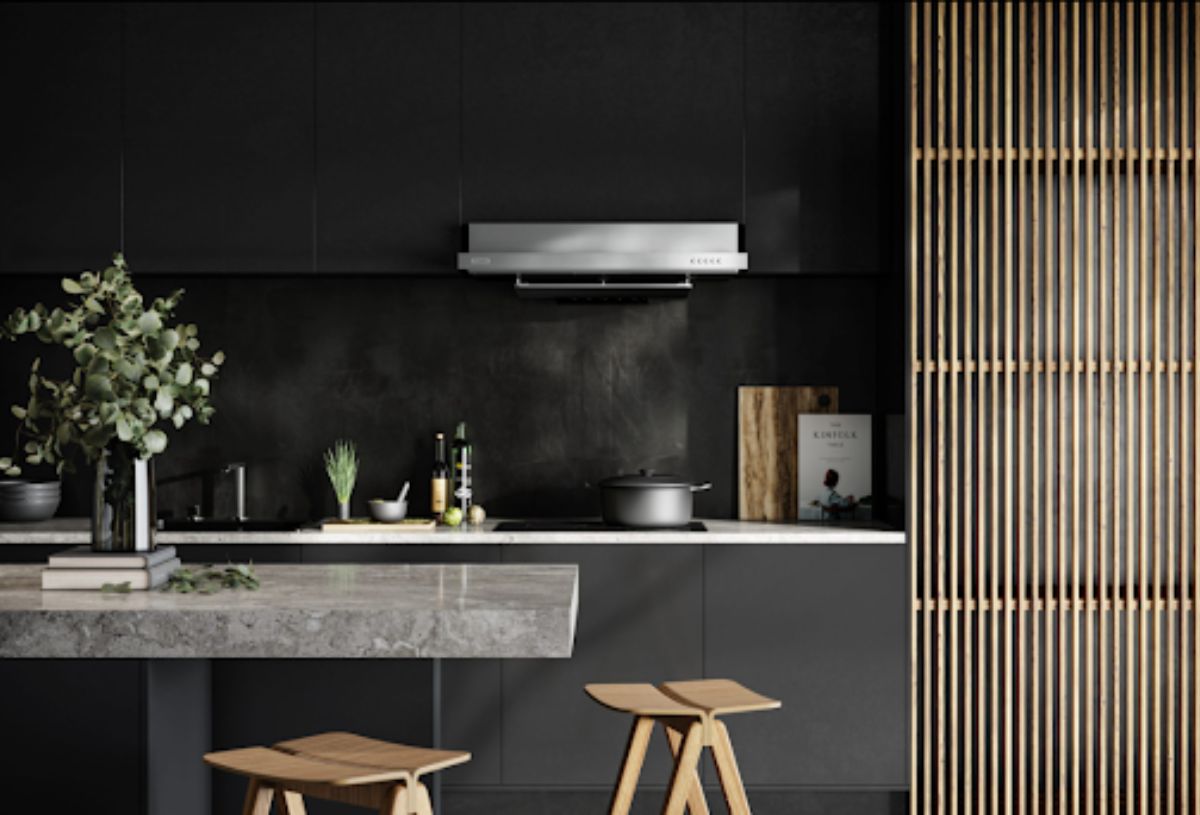
Cooking can generate a significant amount of heat, especially when preparing Malaysian dishes that involve stir-frying, deep-frying, or prolonged cooking over high flames. Without proper ventilation, heat can quickly build up in the kitchen, making the space feel stuffy and uncomfortable.
A cooker hood helps improve kitchen ventilation by continuously drawing out hot air and directing it away from the cooking area. This creates better airflow and helps maintain a more comfortable environment, allowing you to cook for longer periods without feeling overwhelmed by heat and humidity.
The effectiveness of a cooker hood largely depends on its suction performance, commonly measured in CFM (Cubic Feet per Minute). CFM indicates the volume of air a cooker hood can move within one minute. A higher CFM generally provides stronger extraction performance, making it better suited for intensive cooking styles that generate large amounts of heat and cooking fumes.
Proper installation is equally important to ensure optimal ventilation performance. A cooker hood installed at the recommended height can effectively capture rising heat and cooking fumes, while excessive duct length or multiple bends may reduce airflow efficiency. When installed correctly, the cooker hood can deliver consistent ventilation performance and improve overall cooking comfort.
This is particularly beneficial in Malaysian high-rise apartments and modern homes, where kitchens often have limited natural airflow. By improving ventilation and reducing heat build-up, a cooker hood helps create a more comfortable and enjoyable cooking environment for everyday use.
In everyday cooking, especially in Malaysian households, visual cues like colouring or texture and consistency play an important role in determining whether food is properly cooked. Cooker hoods with built-in lighting provide direct illumination over the cooking area, allowing users to monitor their dishes more clearly without relying solely on overhead kitchen lights.
This improved visibility makes cooking more precise and convenient, particularly when preparing high-heat dishes or working with hot oil. It also helps reduce cooking risks such as overcooking, spills, or accidental burns, as users can better observe what is happening in the pan at all times.
Beyond cooking, hood lighting also improves overall kitchen practicality. A well-lit cooking zone makes it easier to clean surfaces after use, as grease stains, residue, and dirt in corners or crevices become more visible. This contributes to better kitchen hygiene and easier maintenance.
Most modern cooker hoods use LED lighting, which is more energy-efficient compared to traditional halogen bulbs. LED lights consume less electricity, produce less heat, and offer a significantly longer lifespan, reducing both energy costs and the need for frequent replacements.
Overall, integrated LED lighting enhances safety, efficiency, and convenience, making it an essential feature in modern cooker hoods for Malaysian kitchens.
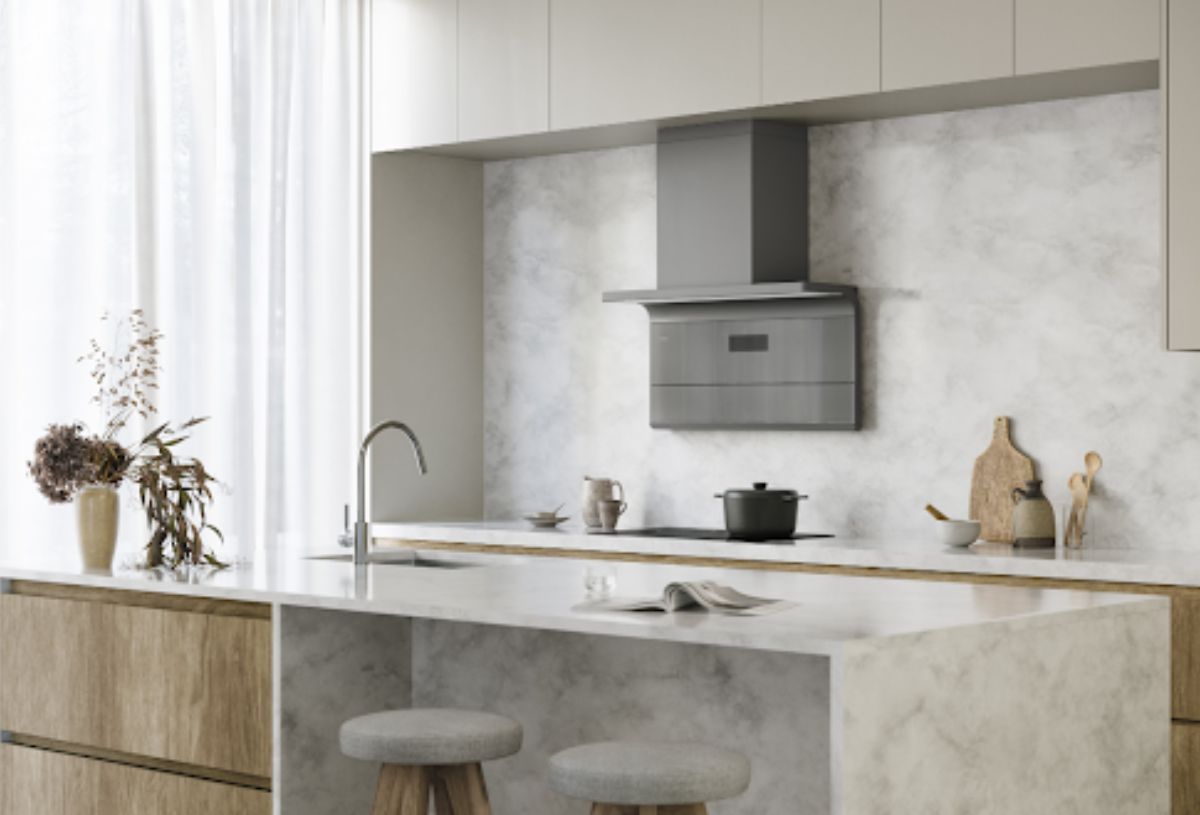
Cooking in a typical home kitchen generates grease, steam, and airborne cooking particles that can easily spread throughout the space. Over time, these by-products can form a thin, sticky layer on surrounding surfaces, making the kitchen harder to clean and maintain.
A cooker hood helps address this issue by capturing airborne grease particles and cooking vapours directly at the source before they spread. Instead of allowing grease to circulate and settle across cabinets, walls, and countertops, the hood ventilation system extracts it from the air, helping to keep the kitchen environment cleaner for longer.
Without proper extraction, grease particles can accumulate gradually and lead to yellowing surfaces, stubborn residue, and potential long-term damage to kitchen finishes. This is especially noticeable in frequently used kitchens where cooking happens daily.
By reducing airborne grease and lingering food odours, a cooker hood also helps discourage pests such as ants and cockroaches, contributing to a more hygienic kitchen environment overall.
For easier maintenance, many modern cooker hoods are equipped with washable metal grease filters that can be cleaned every 2 to 4 weeks depending on usage. Regular cleaning ensures consistent airflow performance while maintaining effective grease capture, helping the cooker hood continue to protect kitchen cleanliness efficiently.
A well-designed kitchen equipped with a modern cooker hood is often viewed as a more complete and functional living space. Beyond its practical role in cooking, it also enhances the overall presentation of the kitchen, which can positively influence how potential buyers or tenants perceive the home.
In today’s property market, a cooker hood is commonly regarded as a standard feature in a well-equipped kitchen. Its presence signals a thoughtfully designed space that prioritises both functionality and everyday convenience, contributing to a stronger first impression during property viewings.
Design also plays an important role in perceived value. Choosing a cooker hood that complements the kitchen style—whether chimney, slimline, or built-in—helps create a more cohesive and polished look. When integrated well, the appliance becomes part of the kitchen design rather than just a functional tool, enhancing the overall visual appeal of the space.
From an investment perspective, a kitchen fitted with essential appliances like a cooker hood is often more attractive in both resale and rental markets. It improves usability for future occupants while reducing the need for immediate upgrades, making the property more appealing and move-in ready.
Overall, a cooker hood adds value not only through performance, but also by elevating the kitchen’s aesthetic and functional completeness—an increasingly important factor in modern Malaysian homes.
A cooker hood is an essential kitchen upgrade that improves indoor air quality, enhances ventilation, provides better cooking visibility, and helps maintain a cleaner, more hygienic kitchen by reducing grease build-up. At the same time, it helps protect kitchen surfaces from long-term grease damage and wear.
Beyond functionality, a well-designed cooker hood also enhances the overall look and feel of a modern kitchen, making the home more attractive to both buyers and tenants. In short, it is a smart investment that improves everyday cooking comfort while adding long-term value to the home.
Q: How does a cooker hood improve indoor air quality in homes?
A: A cooker hood helps improve indoor air quality by extracting smoke, grease particles, cooking fumes, and odours directly from the source during cooking. This reduces airborne contaminants in the kitchen and creates a cleaner and more comfortable cooking environment, especially in homes where cooking is done frequently.
Q: How do cooker hoods contribute to kitchen safety?
A: Cooker hoods help improve kitchen safety by reducing the buildup of grease in the air and on surrounding surfaces. Since grease accumulation can become sticky and flammable over time, effective ventilation helps minimise this risk while also improving overall cooking comfort and cleanliness.
Q: What maintenance is recommended to extend the life of a cooker hood?
A: Regular maintenance is important to ensure long-term performance. This includes cleaning filters every 2 to 4 weeks depending on usage, and replacing carbon filters where applicable according to manufacturer recommendations. Routine cleaning helps maintain strong suction performance and prevents grease buildup that can affect efficiency.
Q: What features should I look for when buying a cooker hood for a large kitchen?
A: For larger kitchens, it is important to choose a cooker hood with better ventilation performance (higher airflow capacity), wide coverage, and an efficient filtration system to handle higher cooking output. Good installation planning is also important to ensure effective airflow and ventilation performance.
Q: How to choose a cooker hood suitable for electric vs gas cooktops?
A: Gas cooktops typically produce more heat, smoke, and combustion by-products, so they benefit from higher extraction power. Electric cooktops generally produce less airborne residue, allowing for more balanced airflow requirements. In both cases, choosing the right suction capacity and installation setup ensures optimal ventilation performance for the cooking environment.
