As more homeowners look for healthier and more versatile ways to prepare meals, steam cooking has become an increasingly popular option in modern kitchens. Unlike traditional dry-heat cooking (convection) methods, steam helps retain moisture during cooking, keeping food tender while supporting better texture and flavour.
When combined with convection heating, a combi steam oven offers the benefits of both cooking methods—using steam to maintain moisture while circulating hot air to deliver more even and consistent cooking results.
However, one common question often comes up when considering a steam oven: Does it require a permanent water connection to operate?
For most residential combi steam ovens, the answer is no. Instead of requiring plumbing installation, models such as FUJIOH CookXpert FV-ML75 combi steam oven, use a built-in removable & refillable water tank. Simply fill the tank before cooking, and the oven generates steam automatically when needed – without additional pipework or kitchen renovation.
To understand how a combi steam oven works, it helps to look at how steam is created inside the appliance. During cooking, water is heated through a steam generation system and converted into fine steam, which is then released into the cooking cavity.
Together with convection heating, the steam is circulated throughout the oven chamber to create a balanced cooking environment. Steam helps maintain moisture and tenderness, while hot air circulation ensures heat is distributed evenly for consistent cooking results.
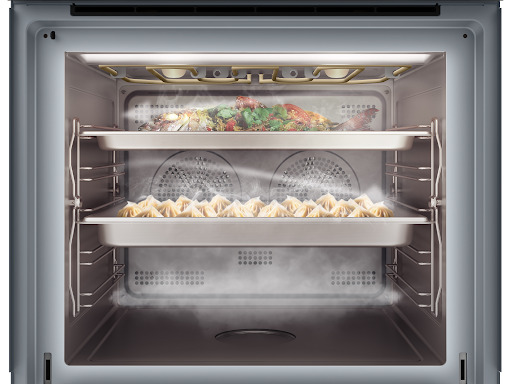
This combination allows FUJIOH CookXpert FV-ML75 combi steam oven to handle a wide range of cooking methods, from steaming vegetables and fish to baking bread and roasting meat, while helping food retain its desired texture and moisture.
There are two common ways combi steam ovens receive water: a tank-based system or a direct-plumbed system. The better choice depends on your kitchen setup, cooking frequency, and installation preferences.
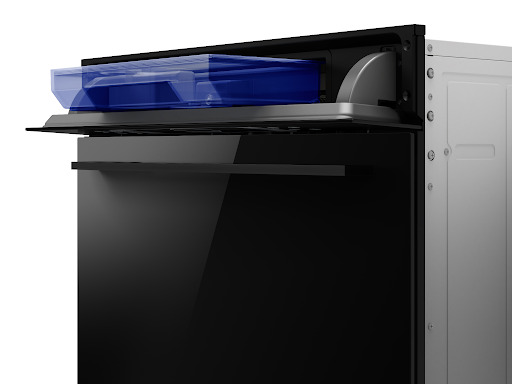
Many residential combi steam ovens use a detachable water tank that can be manually refilled before cooking. The FUJIOH CookXpert FV-ML75 combi oven, for example, features a removable 1.2-litre water tank that sits behind a touch-release flap. Its transparent container design allows users to easily monitor the water level without guessing.
Advantages:
Consideration:
Direct-plumbed combi steam ovens connect directly to a home’s water supply. This setup is more commonly found in commercial kitchen or professional cooking environments where frequent steam cooking is required.
Advantages:
Consideration:
For most residential kitchens, a tank-based system offers a more practical solution, providing the benefit of steam cooking without requiring additional plumbing work.
Since combi steam ovens combine water, steam, and high cooking temperatures, built-in safety features help ensure a reliable cooking experience while protecting both the user and the appliance.
If the water tank runs low during cooking, the oven will automatically detect it and alert the user to refill the tank. This helps prevent the steam system from operating without enough water and ensures consistent steam performance.
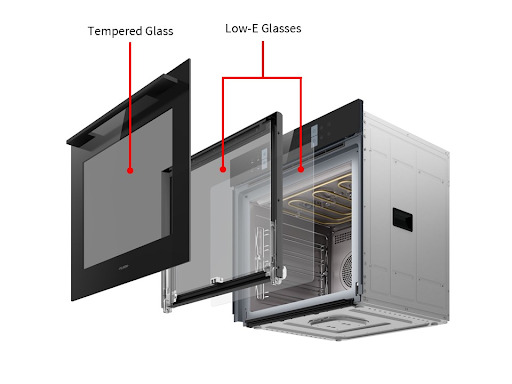
Steam cooking involves high temperatures inside the cavity, which is why door insulation is important. The FUJIOH CookXpert FV-ML75 features one layer of tempered glass and two layers of low-emissivity (low-e) glass design that helps retain heat inside the oven while keeping the exterior surface safe to touch during operation.
Regular maintenance helps a combi steam oven continue delivering consistent cooking performance while supporting better hygiene over time. Simple care routines can help protect the steam system and extend the appliance’s lifespan.
Water quality can affect long-term steam oven performance. In areas with harder water, minerals may accumulate over time and affect steam generation. Using filtered water where recommended and following manufacturer’s water guidelines can help reduce mineral buildup.
Over time, minerals from water can accumulate inside the steam system, especially in areas with harder water. These deposits may affect steam generation performance and reduce cooking consistency. Regular descaling helps remove mineral buildup from the internal steam system, allowing the oven to continue producing steam effectively. Following the recommended descaling procedure helps maintain long-term performance and keeps the steam function working efficiently.
After cooking, a quick wipe of the oven interior and emptying any remaining water from the tank water when needed. This helps prevent moisture buildup, unwanted odours, and support better hygiene inside the cooking chamber.
Before choosing a combi steam oven, consider your cooking habits, kitchen setup and the features that will support your daily needs.
If you frequently prepare steamed dishes or cook for a larger household, a larger cavity and sufficient water tank capacity can provide greater convenience, especially during longer sessions.
A combi oven that combines steam with convection heating offers greater versatility compared to steam-only oven. This allows you to steam, bake, roast, grill, and prepare a wider range of dishes using one appliance.
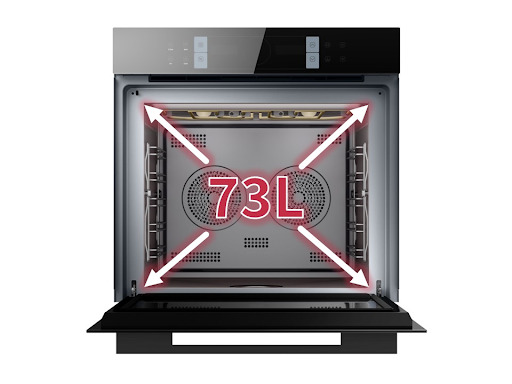
The FUJIOH CookXpert FV-ML75 Combi Steam Oven is designed for homeowners who want versatile cooking performance with easy everyday operation. Featuring a 73-litre cavity, dual convection fans, double steam outlets, and a 1.2-litre detachable water tank, it supports multiple cooking methods including steam, bake, grill, stew, and healthy frying. Its practical design delivers advanced cooking capabilities without requiring complicated installation or maintenance.
A combi steam oven does not usually require a permanent water connection in most residential kitchens. With a built-in refillable water tank, homeowners can enjoy the benefits of steam cooking without additional plumbing work or major kitchen modifications.
When combined with convection heating, steam technology creates a versatile cooking environment that helps maintain moisture, improve cooking consistency, and support a wider range of recipes in one appliance.
From preparing healthier meals to simplifying everyday cooking, a combi steam oven offers a practical solution for modern kitchens that value convenience, flexibility, and performance.
Q: Can I use a steam oven without connecting it to water?
A: Yes. Most residential combi steam ovens use a built-in refillable water tank, allowing users to generate steam without installing a direct water connection.
Q: How does a combi steam oven get the water needed for cooking?
A: A combi steam oven typically draws water from its built-in tank and converts it into steam through a steam generation system. The steam is then released into the cooking cavity to support moisture-rich cooking.
Q: How often should I refill the water tank?
A: The refill frequency depends on the cooking duration, steam level and type of food being prepared. For longer cooking sessions, it is recommended to check the water level before each cooking session. If the water level runs too low during operation, FUJIOH CookXpert FV-ML75 combi steam oven will provide an alert sound to remind users to refill the water tank before continuing steam cooking.
Q: What type of water should I use in a steam oven?
A: Filtered water is generally recommended for combi steam ovens as it helps reduce mineral buildup inside the steam system, especially in areas with harder water.
Q: Does a combi steam oven require regular descaling?
A: Yes. Over time, minerals from water can accumulate inside the steam system. Regular descaling helps remove buildup, maintain consistent steam output, and support long-term appliance performance.
Q: Can all steam ovens be connected to a water line?
A: No. Direct water line connections are commonly found in commercial or professional kitchen environments. Most residential combi steam ovens use refillable water tanks for easier installation and greater flexibility.
