Built-in oven Vs tabletop oven – which to choose? Modern Malaysian homes are embracing versatile kitchen appliances more than ever. As kitchen designs become both functional and stylish, homeowners are often faced with the decision of which oven best suits their needs.
Both kitchen appliances serve the same purpose but differ significantly in design, capacity, performance, and cooking time efficiency. With a growing selection of built-in ovens in Malaysia and the rising popularity of countertop models, understanding their differences will help you make a practical, informed decision.
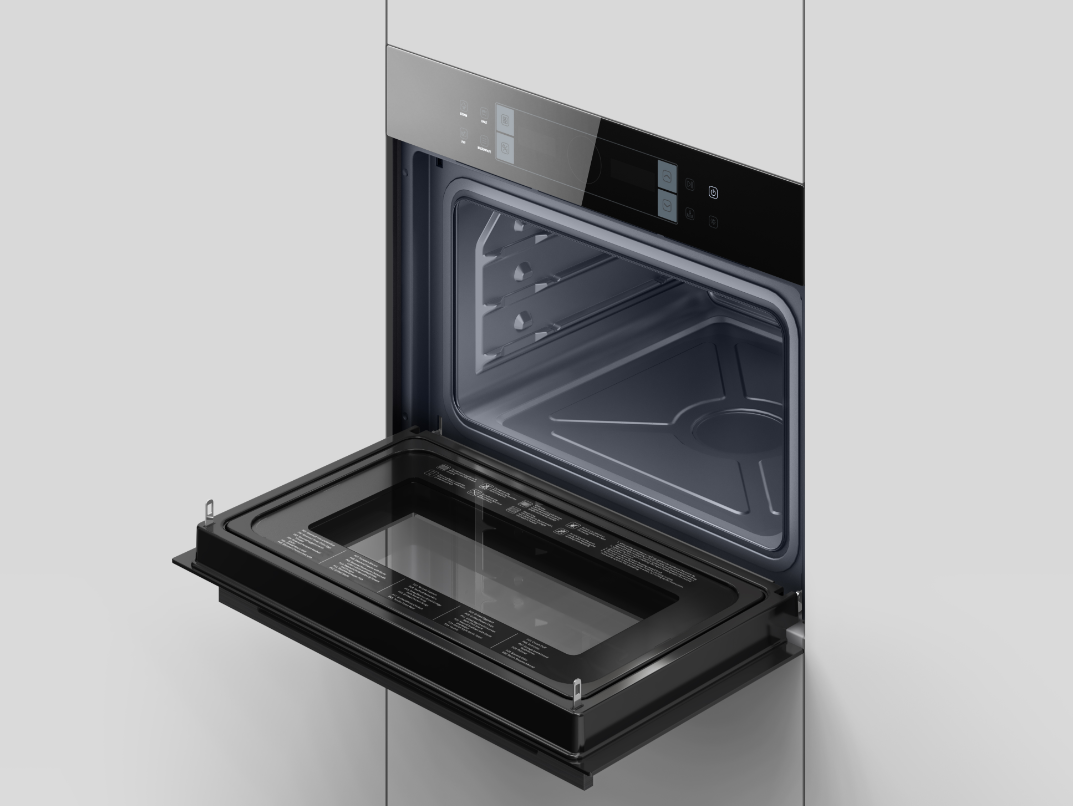
A built-in oven is designed to be permanently installed within kitchen cabinetry, typically in a wall unit or beneath the hob, creating a seamless and modern appearance. This type of oven is often selected during kitchen renovations to ensure proper planning and smooth integration with the overall layout.
One of the key advantages of a built-in oven is its sleek, streamlined design. Sitting flush with surrounding cabinets, it enhances the overall kitchen aesthetic and creates a more cohesive look. For homeowners who prioritise design harmony, built-in oven are a popular choice in modern Malaysia kitchens.
Capacity is another important benefit. Most built-in oven models in Malaysia offer generous interior space, making them ideal for baking multiple trays or roasting large dishes, especially when preparing meals for family gatherings or special occasions.
A built-in oven also offers versatile cooking functions supported by convection airflow and precise temperature control. For example, the FUJIOH FV‑AL81 Micro-Steam-Bake InfiniOven features dual convection fans and dual temperature control, allowing you to bake, steam, grill, and more while maintaining consistent results across different cooking styles.
However, a built-in oven does come with certain limitations. Installation is permanent, so relocation is not convenient once the appliance is fitted. Cabinet modifications may also be required, and the upfront cost is typically higher compared to a tabletop oven. Furthermore, if you move frequently or live in rental property, a fixed appliance may not provide the flexibility you need.
Overall, a built-in oven is best suited for families, avid home cooks, and homeowners renovating their kitchens who value both cooking performance and a cohesive kitchen design.
A tabletop oven, also known as a countertop oven, is a freestanding appliance placed on the kitchen counter. It requires minimal setup and can be used immediately with a standard plug, making it a convenient option for many households.
Portability is one of its strongest advantages. A tabletop oven can be moved easily, stored away when not in use, or relocated to another home without difficulty. This makes it particularly suitable for renters, students, or those living in apartments with limited kitchen space.
Affordability is another key benefit. Compared to built-in ovens, tabletop models are generally more budget friendly, making them an accessible choice for young families or first-time homeowners.
Installation is also straightforward as there is no need for cabinet alterations or complex planning. The unit only needs to be placed on a stable surface with sufficient ventilation. For Malaysian households seeking a compact yet versatile countertop solution, options like the FUJIOH FV‑AL10 TruCook Oven blend multiple cooking functions (bake, roast, steam, microwave and more) into one appliance while still fitting comfortably into smaller kitchens.
Despite these advantages, tabletop ovens typically have a smaller capacity, which can limit the size and number of dishes prepared at one time. While many models provide essential cooking functions, they may not include some of the more advanced programmes found in larger built-in ovens.
Overall, a tabletop oven is best suited for small households or individuals who primarily use the oven for reheating, light baking, or simple roasting.
The size and layout of your kitchen play a crucial role in choosing the right oven. Many Malaysian apartments have limited space, making a tabletop oven a practical solution. In contrast, landed homes or newly renovated kitchens often have room to accommodate a built-in oven more comfortably.
Consider how often you cook and the types of dishes you prepare. Frequent bakers and those who enjoy hosting gatherings will benefit from the larger capacity of a built-in oven. For occasional use, such as reheating or baking small batches, a tabletop oven is often sufficient.
A built-in oven typically requires a higher initial investment, including cabinetry adjustments and installation costs. A tabletop oven offers a lower entry cost and is ideal for those seeking a cost-effective solution.
Electricity consumption is an important factor in Malaysia. Larger ovens may use more power, but efficient models with proper insulation can reduce energy waste. Always ensure that your chosen built-in or countertop oven meets local voltage standards and review its energy specifications before purchasing. Even then, it’s a good idea to check that your oven is heating accurately before cooking. Here’s a guide to help you do that.
Built-in ovens may require more effort to clean due to its larger interior, though many models offer easy-clean surfaces or self-cleaning functions, such as the FUJIOH FV-EL62. Tabletop ovens are smaller in size and generally easier to maintain, but regular wiping is still necessary to prevent grease and residue build-up.
If a seamless, cohesive kitchen design is important, a built-in oven enhances visual appeal and may even increase property value. Tabletop ovens, while functional and versatile, focus more on convenience than integrated design.
Choosing between a built-in oven and a tabletop oven depends on your cooking habits, available kitchen space, and whether you prioritise long-term integration or flexibility. While both appliances perform similar functions, differences in installation, capacity and features can significantly affect your overall kitchen experience.
| Feature | Built-In Oven | Tabletop Oven |
| Installation | Fixed within cabinetry | Freestanding and portable |
| Capacity | Large, suitable for multi-dish cooking | Small to medium, ideal for light use |
| Price | Higher upfront investment | More affordable |
| Features | Advanced cooking modes and precise control | Basic to moderate functions |
| Space | Requires designated cabinet space | Occupies countertop space |
| Maintenance | Larger interior, moderate cleaning effort | Smaller cavity, easier to clean |
A built-in oven is ideal if you are renovating your kitchen and want a seamless, integrated design. It is well-suited for larger families, frequent bakers, or homeowners who regularly host gatherings. With its larger capacity and advanced features, it excels at batch cooking, roasting large dishes, and delivering precise cooking results.
A tabletop oven works best for smaller households, apartments, or rental homes where flexibility matters. If you cook occasionally, prepare smaller portions, or prefer a lower upfront cost, a tabletop oven offers convenience without the need for permanent installation.
Ultimately, the right choice depends on your lifestyle and kitchen setup. Both options can serve Malaysian homes well, it simply depends on how you plan to use them.
Choosing between a built-in oven and a tabletop oven depends on your lifestyle, kitchen space, and budget priorities. A built-in oven offers larger capacity, advanced features, and seamless integration, making it an excellent choice for serious home cooks and families. Meanwhile, a tabletop or countertop oven in Malaysia provides flexibility, affordability, and convenience, particularly for smaller households or renters.
By assessing your cooking habits, available space, and long-term plans, you can confidently select the appliance that best complements your Malaysian home. Whether you choose a FUJIOH built-in oven or a FUJIOH tabletop oven, the right decision will enhance both your kitchen’s functionality and your daily cooking experience.
Q: What is the difference between a built-in oven and a tabletop oven?
A: A built-in oven is permanently installed into kitchen cabinetry, offering larger capacity and more advanced cooking functions. A tabletop oven, also known as countertop oven, is a freestanding, portable and suitable for smaller kitchens or compact spaces.
Q: Which is better for small kitchens: built-in or tabletop ovens?
A: Tabletop ovens are typically better suited to small kitchens or compact spaces because they require no installation and occupy only counter space. Built-in ovens can still work in small kitchens, but they require careful planning and dedicated cabinetry.
Q: Can a tabletop oven replace a built-in oven?
A: A tabletop oven can handle everyday cooking tasks such as reheating, light baking and roasting. However, with smaller capacity and fewer advanced features,it may not fully replace a built-in oven for larger or more complex cooking needs.
Q: Are all-in-one ovens more energy-efficient than tabletop ovens?
A: Energy efficiency varies by model rather than by oven type alone. Many all‑in‑one ovens and tabletop ovens feature efficient heating systems, but it’s always important to check the energy specifications and power consumption of the appliance you are considering.
Q:Which oven type is easier to clean?
A: Tabletop ovens are smaller and often easier to wipe down. Built-in ovens have larger interiors, which may take more time to clean. However, FUJIOH built-in ovens such as the FV‑AL81 feature steam-clean functions, easy-clean surfaces, and removable racks to simplify maintenance.
