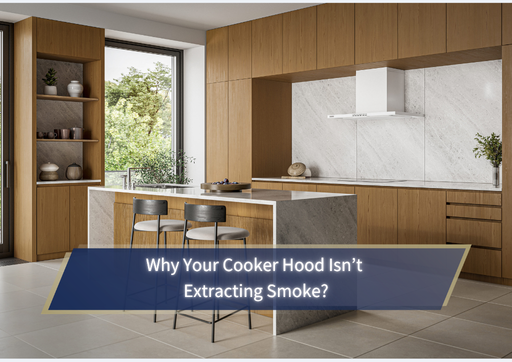
A cooker hood is designed to capture smoke, grease and cooking fumes before they spread through the kitchen and settle on surfaces. In Malaysian kitchens, where stir-frying and deep-frying are common, effective extraction can make a noticeable difference to everyday cooking comfort.
So, what happens when smoke continues to linger even though the cooker hood is switched on? The cause can be simpler than you think, and it does not necessarily mean the appliance needs to be replaced.
A cooker hood may not extract smoke effectively because of clogged grease filters, an unsuitable installation height, blocked or poorly configured ducting, inadequate kitchen ventilation, or a hood that does not match the household’s cooking needs. Identifying the cause can help restore extraction performance without unnecessary replacement costs.
Key Takeaways
One of the most common and easily overlooked causes of poor extraction is a dirty grease filter. Each time you cook, grease and cooking residue can build up on the filters. Over time, it can restrict airflow through the hood, reducing extraction performance even when the motor is running normally.
Signs that your filters may need cleaning include visible grease on buildup, noticeably weaker suction, and cooking fumes or smells that linger after cooking. Following the manufacturer’s recommended cleaning schedule can help to maintain consistent airflow and extraction performance.
For households that cook frequently with oil and high heat, a cooker hood with easy-to-clean filters or oil separation technology can make routine maintenance more convenient.
The distance between the cooker hood and hob can affect how effectively cooking fumes are captured. If the hood is installed too high, smoke and fumes may disperse before reaching the capture area. If it is installed too low, it may obstruct cooking and may not meet the required safety clearance.
The appropriate mounting height depends on the hood design and the manufacturer’s installation requirements. As a general guide, FUJIOH recommends:
If extraction performance has been poor since a new cooker hood was installed, checking whether it has been mounted at the recommended height is a useful place to start.
For a ducted cooker hood, extraction performance depends not only on the motor but also on the condition and configuration of the ducting. A restricted or poorly configured duct can reduce airflow and prevent cooking fumes from being expelled effectively.
Common ducting issues include:
Maintenance Tip: Keep ducting as short and direct as reasonably possible, use the recommended duct diameter, and make sure the external outlet is not obstructed. For new installations, following the manufacturer’s ducting requirements can help maintain effective extraction performance.
Some cooking methods naturally produce more smoke, grease and fumes than others. Stir-frying, deep-frying, grilling, and high-heat cooking can generate a significant amount of cooking fumes, particularly when these methods are used frequently.
If the filters are clean and the ducting is functioning properly but smoke still lingers, the hood may not have sufficient extraction capacity for your cooking needs. In this case, choosing a cooker hood with higher extraction performance may provide better coverage for frequent high-heat cooking.
Even when a cooker hood is working normally, it may not perform effectively if the model is not suited to the kitchen or cooking setup. Choosing the right cooker hood involves more than looking at extraction power. The hood should match the physical layout of the cooking area, available installation space, and the position of the hob.
Kitchen Layout: The location of the hob affects the type of hood that can be installed. Wall-mounted, under-cabinet, and island cooking areas may require different hood designs to provide effective coverage.
Available Space: A cooker hood needs to fit comfortably within the available wall, cabinet, or ceiling space. A model that is too large may not suit the kitchen layout, while one that is too small may provide insufficient coverage over the cooking area.
Hob Size and Position: The hood should provide adequate coverage for the cooking surface. A hood that is narrower than the hob may allow smoke to escape around the edges before it is captured.
Ventilation Configuration: Kitchens without a suitable exhaust route may require a recirculating hood, while kitchens with an appropriate ducting path can use a ducted model. Choosing the wrong configuration can affect how cooking fumes are handled.
Choosing a cooker hood that fits the kitchen’s physical setup helps ensure the appliance can capture cooking fumes effectively and operate as intended.
If your current cooker hood continues to underperform after checking the common causes above, upgrading to a model that better suits your cooking habits and kitchen setup may help improve extraction performance.
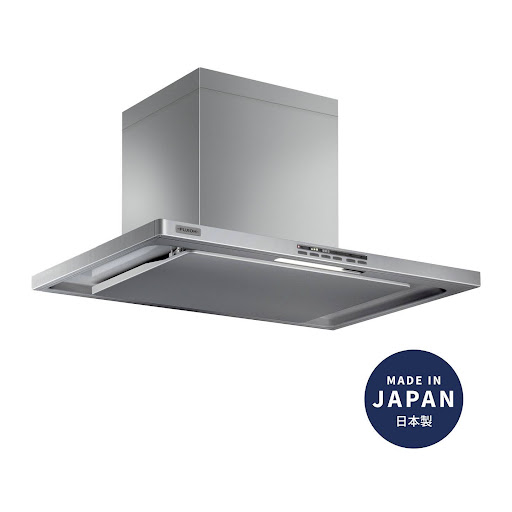
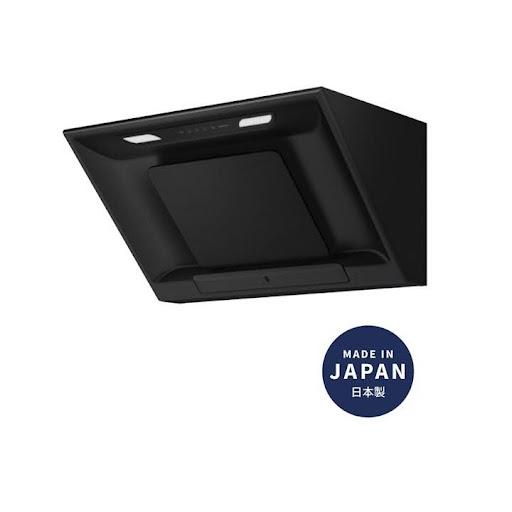
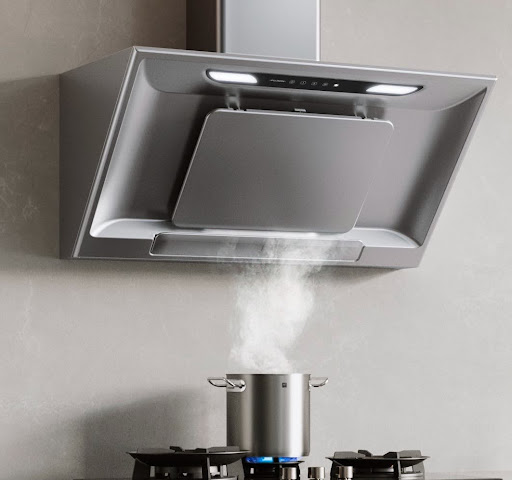
A cooker hood that fails to clear smoke is not faulty. Common issues such as clogged filters, restricted ducting, or unsuitable installation height may be resolved without replacing the appliance. However, if the hood does not have sufficient extraction capacity for your cooking needs, upgrading to a more suitable model may be the better solution. Identifying the root cause can help you determine whether a simple adjustment or a new cooker hood is needed.
Looking for a cooker hood designed to handle everyday Malaysian cooking? Explore the FUJIOH Cooker Hood Series and find a model that suits your kitchen and cooking needs.
Q: Why is my cooker hood not extracting smoke?
A: Common causes include clogged grease filters, an unsuitable installation height, restricted ducting, or a cooker hood that does not provide enough extraction capacity for your cooking needs. Check these factors before considering a replacement.
Q: How can I improve my cooker hood’s extraction performance?
A: Clean the grease filters regularly, make sure the hood is installed at the recommended height, and check that the ducting and external outlet are clear. Choosing a hood that matches your hob size and cooking habits can also improve smoke capture.
Q: How does cooker hood installation height affect smoke extraction?
A: Installation height affects how effectively the hood captures rising cooking fumes. A hood installed too high may allow smoke to disperse before it is captured, while one installed too low may not meet the required safety clearance. Always follow the manufacturer’s recommended installation height.
Q: How often should I clean my cooker hood filter?
A: Filter cleaning frequency depends on how often and how heavily you cook. Households that frequently stir-fry or deep-fry may need to clean the filters more often. Regular cleaning helps prevent grease buildup and maintain effective airflow.
Q: When should I replace my cooker hood?
A: Consider replacing your cooker hood when extraction remains weak despite proper cleaning and maintenance, the appliance develops recurring faults, or its capacity no longer suits your cooking needs. Upgrading to a more suitable model may provide better extraction and convenience.
