
Finishing a dishwasher cycle only to find your dishes still wet can be frustrating. While it may seem like the dishwasher is faulty, poor drying performance does not always indicate a problem with the appliance. In many cases, simple factors such as insufficient rinse aid, overcrowded racks, incorrect loading, or the selected wash cycle can affect how well dishes dry.
Understanding the possible causes can help you identify the issue and determine whether it is something you can resolve yourself or whether professional servicing is needed.
A dishwasher may leave dishes wet because of insufficient rinse aid, incorrect loading, overcrowded racks, blocked airflow, an unsuitable cycle, or a problem with the heating system. Identifying these factors first can help determine whether the issue can be resolved at home or requires professional servicing.
Rinse aid is easy to overlook until you start noticing wet dishes or water spots. It helps water spread and drain more easily from plates, glasses, and other surfaces during the drying phase, rather than remaining as droplets.
When the rinse aid dispenser is empty or running low, dishes may take longer to dry and can be left with more water spots. Check the rinse aid box regularly and refill the dispenser accordingly. If you notice more water spots or poorer drying performance than usual, checking the rinse aid level is a good place to start.
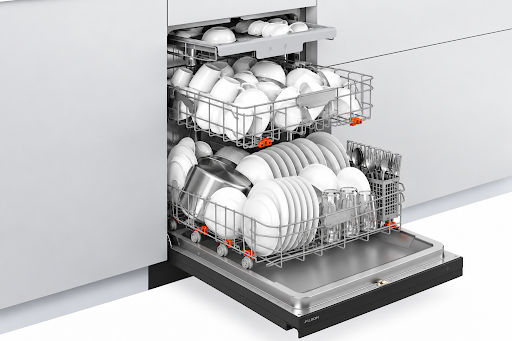
It can be tempting to fit as many dishes as possible into one cycle, but overcrowding can affect both cleaning and drying performance. When dishes are packed too closely together, water and warm air may not circulate effectively around them. Cups and bowls can also retain water if they are placed flat or at the wrong angle, while large pots and trays may block airflow around.
To improve drying, leave enough space between items and position cups, bowls and containers at an angle so water can drain away. Place larger items where they are less likely to obstruct smaller dishes or the spray and drying airflow.

If the glass and ceramic dishes are dry but the plasticware is still damp, this does not necessarily mean your dishwasher has a drying problem. Plastic generally retains less heat than materials such as glass or ceramic, so it cools more quickly during the drying phase. As a result, water may remain on the surface after the cycle ends.
Quick Tip: Place plasticware on the upper rack to improve exposure to the drying process. FUJIOH FZ-DW70 dishwashers with an automatic door opening function, the door opens automatically after the cycle to release steam and allow fresh air to circulate inside the dishwasher, helping residual moisture evaporate more effectively.
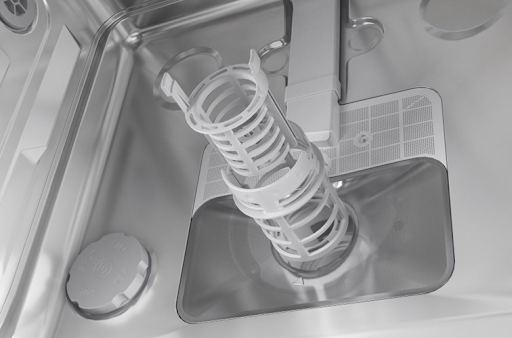
Regular cleaning is important for maintaining your dishwasher’s overall performance. A clogged filter can restrict water circulation during the wash cycle, while accumulated food debris or residue may affect cleaning results. When dishes are not properly cleaned or water does not drain effectively, they may also remain wetter after the cycle.
The filter is usually located at the bottom of the dishwasher and can be removed for cleaning. Follow the manufacturer’s instructions for removing and cleaning the filter, and check it regularly to prevent buildup.
Eco cycles are designed to reduce water and energy consumption, so they may use lower water temperatures or longer, more energy-efficient washing and drying processes. As a result, some items may not feel as dry at the end of an Eco cycle, particularly plastiware.
If you need stronger drying performance, try using a normal or intensive cycle for regular family loads usually brings drying performance back to where it should be. Avoid assuming that Eco mode indicates a fault with the appliance.
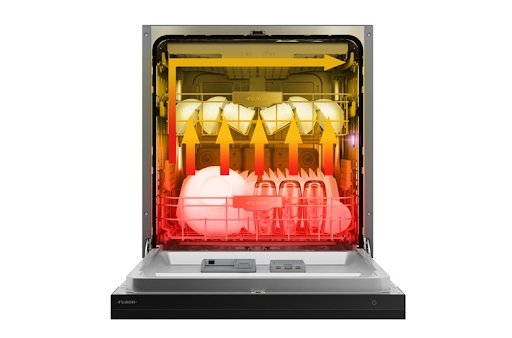
If your dishwasher consistently leaves dishes cold and wet despite using the correct cycle and loading the racks properly, there may be an issue with its heating or drying system. A problem with the heating components can prevent the dishwasher from reaching the temperature needed for effective drying.
If drying performance suddenly becomes much worse, or the dishwasher remains unusually cool after a cycle, the appliance may require professional inspection. Avoid attempting to repair internal electrical or heating components yourself. Contact the manufacturer’s authorised service centre for further assistance.
Some issues go beyond what cleaning or settings changes can fix. If the dishwasher continues to leave dishes wet after checking the rinse aid, loading arrangement, cycle selection and filter, the issue may involve an internal component.
Professional inspection is recommended if the dishwasher produces unusual sounds, displays persistent error codes, fails to heat, stops responding normally, or produces a burning smell during operation. Avoid opening or repairing internal components yourself and contact an authorised service centre for assistance.
Before arranging professional servicing, check these common causes first:
If these checks do not improve drying performance, the dishwasher may require professional inspection.

Good loading and maintenance habits can help your dishwasher deliver more consistent drying results:
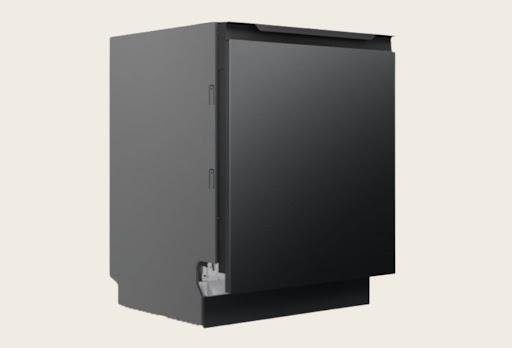
A dishwasher that leaves dishes wet does not necessarily mean it needs to be replaced. Before considering a new appliance, check the rinse aid level, loading arrangement, selected programme, filter condition, and other common causes discussed above.
However, if drying performance continues to decline despite proper use and regular maintenance, or the dishwasher frequently develops faults and requires repairs, replacement may be a more practical long-term option.
A newer dishwasher can also provide added convenience through features such as automatic door opening, improved drying technology, flexible wash programmes, and better storage options.
Looking for a dishwasher designed for modern Malaysian households? Explore the FUJIOH Dishwasher range and find a model that suits your household’s cooking and cleaning needs.
Q: Why is my dishwasher not drying my dishes?
A: A dishwasher may leave dishes wet due to insufficient rinse aid, incorrect loading, plasticware retaining moisture, an unsuitable wash cycle, or a problem with the heating or drying system. Checking these common causes first can help identify the issue.
Q: Does rinse aid help a dishwasher dry dishes?
A: Yes. Rinse aid helps water drain more easily from dishes during the drying phase, reducing water droplets and spots. Keeping the rinse aid dispenser filled can improve overall drying performance.
Q: Why are my plastic dishes still wet after the dishwasher cycle?
A: Plasticware tends to retain more moisture because it cools faster than glass and ceramic dishes. As a result, water may remain on plastic surfaces even when other dishes are already dry. Placing plasticware on the upper rack with the dishwasher’s automatic door-opening drying feature, can help reduce residual moisture.
Q: Does Eco mode make dishes less dry?
A: Eco mode may provide less drying performance because it is designed to reduce energy and water consumption. If dishes remain wetter than expected, try a programme or drying setting that is more suitable for the type and amount of dishes being washed.
Q: How can I improve my dishwasher’s drying performance?
A: Keep the rinse aid topped up, avoid overcrowding the racks, position dishes so water can drain easily, clean the filter regularly, and choose a suitable wash programme. Dishwashers with automatic door opening can also release steam after the cycle, helping residual moisture evaporate.
