Are you constantly battling baked-on grease on your burner grates, or struggling with the delayed and inconsistent heat of an older cooktop? You’re not alone.
The shift from a traditional gas hob to the instant, precise heat and sleek aesthetic of an induction hob is one of the most exciting kitchen upgrades today. The good news is this transition is completely achievable, but the successful switch happens behind the glossy surface.
Before you can enjoy the speed and effortless cleaning of induction technology, you must handle the vital checks: confirming sufficient electrical loading for the new appliance’s required amperage, verifying the correct countertop cut-out size, and ensuring the area beneath the hob has the minimum space needed to prevent overheating. Addressing these crucial steps now will guarantee a safe and smooth transition later, allowing you to enjoy the advantages of induction cooking.
Key Requirements for a Smooth Switch
Many homeowners worry immediately about having to buy new pots and pans for their induction hob, but while you will need magnetic cookware since ceramic ones won’t work, that’s often the least of your concerns. This is because, before you can even get to the shopping list, you must determine if your existing kitchen infrastructure can accommodate the switch.
Electrical Infrastructure Requirements: Switching from a gas hob to induction is a major electrical change, not a simple plug-in. And most kitchens wired for gas cooking lack the necessary connection for an electric range, plus, induction hobs tend to demand significant power. As such, you’ll have to consult a qualified electrician, who will need to set up a dedicated circuit. This is especially important in Singapore, where HDB apartment blocks completed on or after 1 Jan 1994 are typically provided with a 40-amp main switch. Your electrician will assess your home’s electrical loading to ensure it is sufficient for the new hob’s amperage, particularly when using multiple zones simultaneously.
Installation Fit and Ventilation: The physical installation also presents critical details since the cut-out size in your countertop must precisely match the new hob’s dimensions. For instance, if you currently have a Domino Gas Hob FH-GS2525 SVGL installed with a W265 x D475 cut-out, and you want to install a Domino Induction Hob FH-ID5125, which requires a W268 x D500 cut-out, you will need to cut a larger hole. This may impact your countertop material. Additionally, induction hobs need adequate ventilation space underneath to prevent overheating.
Initial Impressions: What to Expect Immediately After Switching to Induction
Say your kitchen can indeed accommodate the switch, or a qualified person has made the necessary electrical and structural modifications to have an induction hob installed. The moment you start cooking, the change from a gas hob to an induction hob is immediate and highly noticeable.
Absence of Open Flames: You’ll instantly notice the cooking zone operates without any open flame. This is a major change that results in a safer, cooler kitchen environment, eliminating the risk of accidental fires often associated with gas.
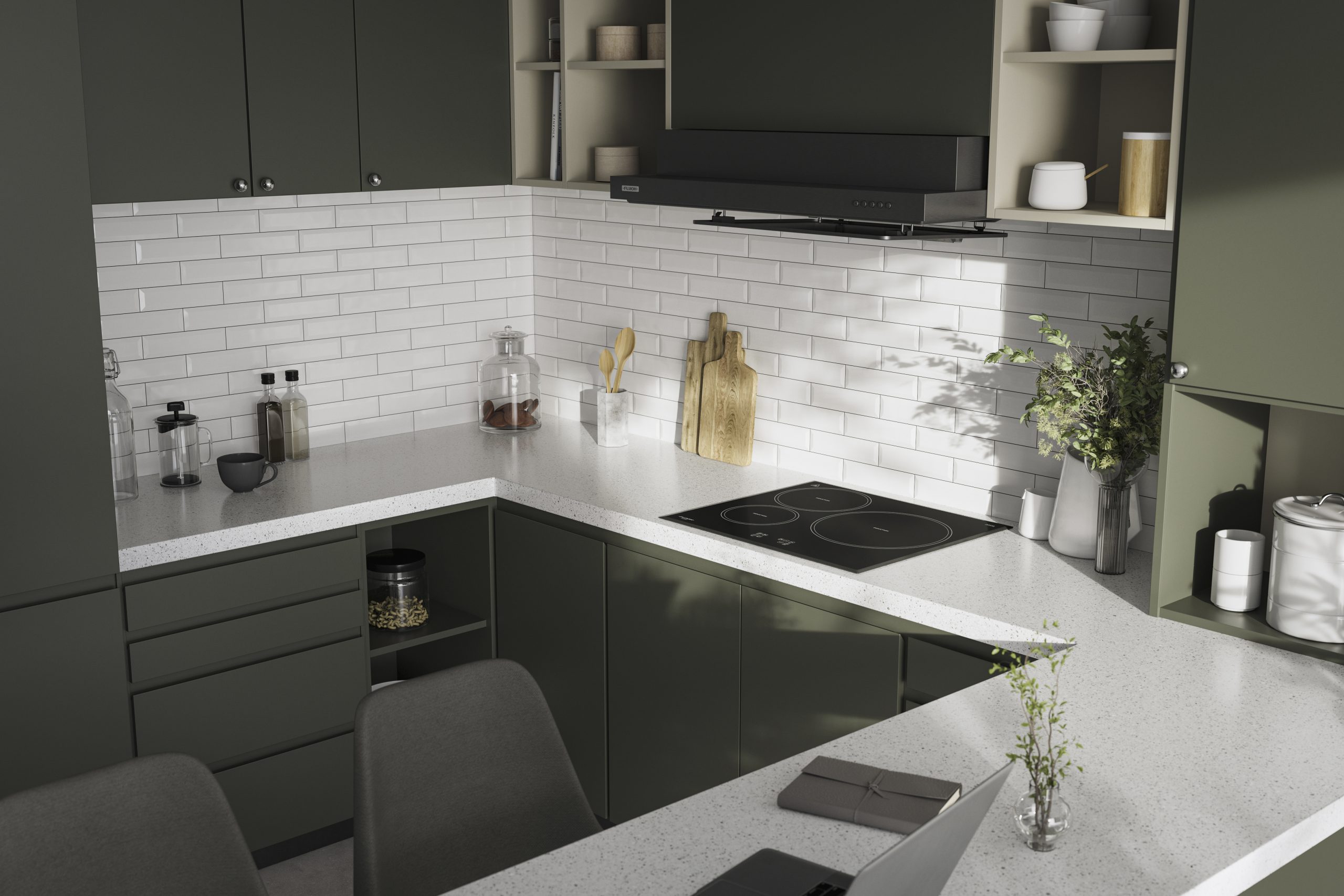
Sleek Surface Design:Induction hobs present a flat top that wipes clean easily, instantly modernising your kitchen’s look. This smooth, continuous surface makes cleaning up spills effortless.
Normal Operating Sounds: Induction cooking is not silent. You might notice a soft humming or buzzing sound, particularly when using higher heat levels or lightweight cookware. This subtle noise is simply the magnetic energy at work, not an indicator of a fault.
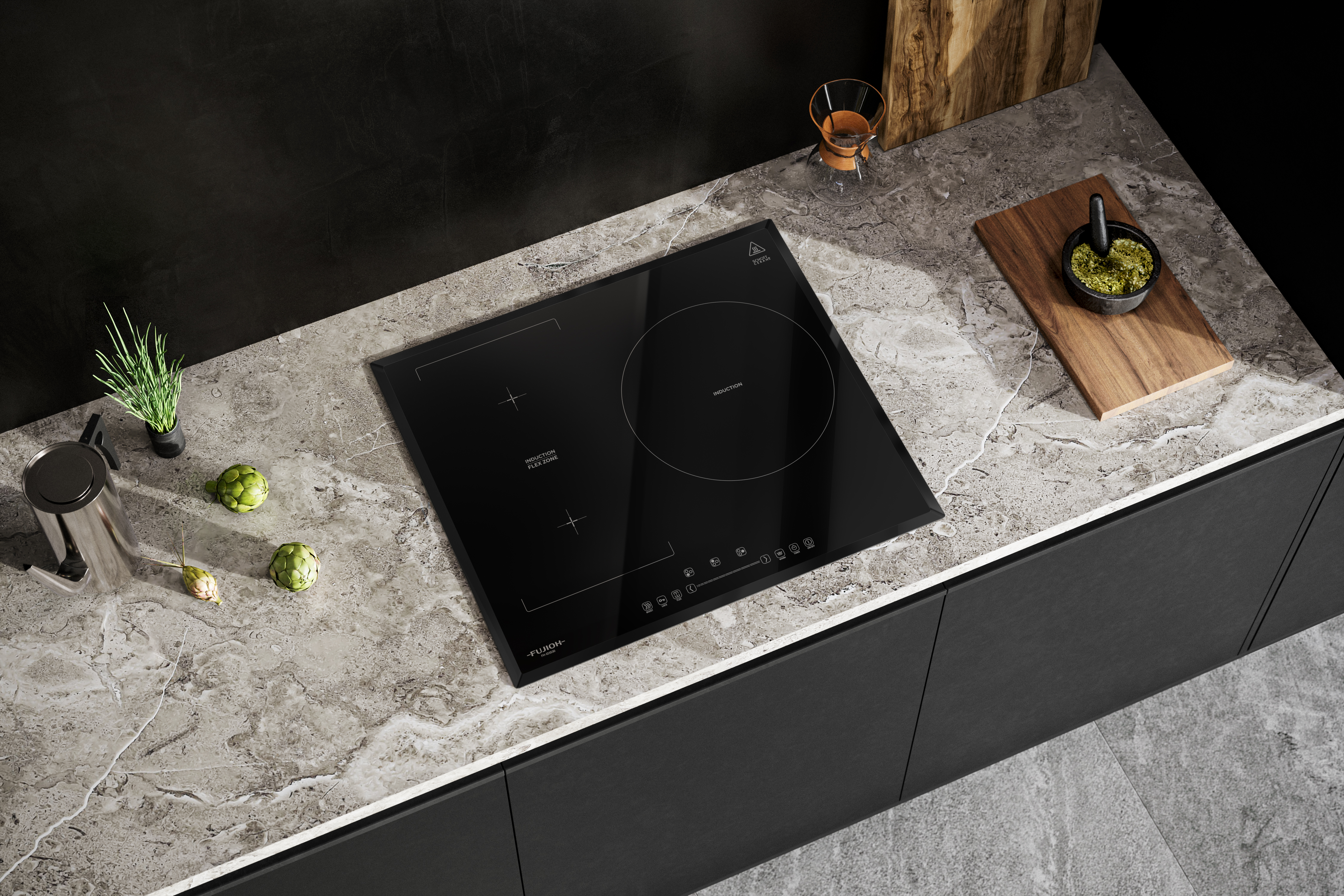
Residual Surface Heat: Even though the induction hob heats the pan directly, some heat transfers back to the glass. The cooking zone can remain warm after use, so avoid touching it immediately. Many models, such as the FUJIOH Flex Induction Hob FH-ID3530, include a Residual Heat Indicator for added safety.
Adjusting to Induction Cooking: Cookware and Heat Management
Once you’ve experienced the immediate benefits of your new hob, from the safety of no flame and the ease of the sleek surface, the next step is mastering your new induction hob. This involves quickly adjusting your cooking habits and familiarising yourself with the technology’s unique properties.
Here are a few key areas that typically tend to require attention:
Cookware Compatibility Check: The induction hob relies entirely on magnetic fields, meaning your cookware must have a magnetic base to function. This check is easy: if a fridge magnet clings firmly to the bottom of your pot or pan, you’re good to go.
Adapting to Heat Control: Induction offers instantaneous heating and equally rapid cooling when the pan is lifted. Since there is no visible flame to judge heat by, it takes some practice to adapt. Until you master this precision, begin with lower power settings than you’re accustomed to.
Absence of Visual Cues: Without a visible flame, it’s easy to forget that the induction hob is still operating after removing a pot. Always double-check the display before leaving the kitchen, or choose models like the FH-ID5125 Domino Induction Hob with 2 Zones with auto shut-off features.
Smart Technology Integration: Modern induction hobs are incredibly precise. They offer sophisticated temperature control through built-in sensors that can automatically detect the cookware’s temperature and adjust the heat accordingly. Learn to effectively utilise these fine, sensor-aided digital settings for delicate tasks where consistent heat control is essential.
This use of advanced features is what sells the experience. Customers Shirley and Chris were highly impressed by the performance of the Flex Zone on their Flex Induction Hob FH-ID3530, noting they used the integrated grill plate immediately. They confirmed the product’s effectiveness, stating that even if they move, “I think I will still stick with Fujioh for now.”
Addressing Specific Cooking Challenges: Wok and Electrical Considerations
Beyond mastering heat levels, your switch to induction may require specific adjustments for traditional cooking methods and physical space.
Wok Cooking Adaptations: Traditional round-bottom woks do not sit flat on induction zones, which might negatively impact heat distribution and make traditional stir-frying awkward, hindering that signature “wok hei” flavour. While flat-bottomed woks are available for induction hob use, results often vary. Accessories like induction-compatible burners or wok rings can offer some assistance, but they may not fully replicate the performance of a gas hob. For cooks whose style demands non-negotiable wok performance, a hybrid modular cooktop—pairing induction with a dedicated gas burner—is worth considering.
Hob Size and Ring Count: When selecting your induction hob, assess your existing kitchen layout and gas hob cut-out dimensions. Determine the exact number of induction hob zones you desire, as different brands offer diverse layouts. This decision must balance your cooking habits with the physical space available for the hob and its ventilation requirements.
Final Assessment: Is the Switch to Induction Worth It?
So, is the switch truly worth the effort of calculating the cost to replace a gas stove and checking how many amps are required for an induction range?
If you’re all for instantaneous heat control, effortlessly easy cleaning, and a significantly cooler kitchen environment, you’ll join the ranks of our satisfied customers. In fact, we’ve heard from homeowners who noted that the primary reason for choosing induction was simply because it is so easy to clean.