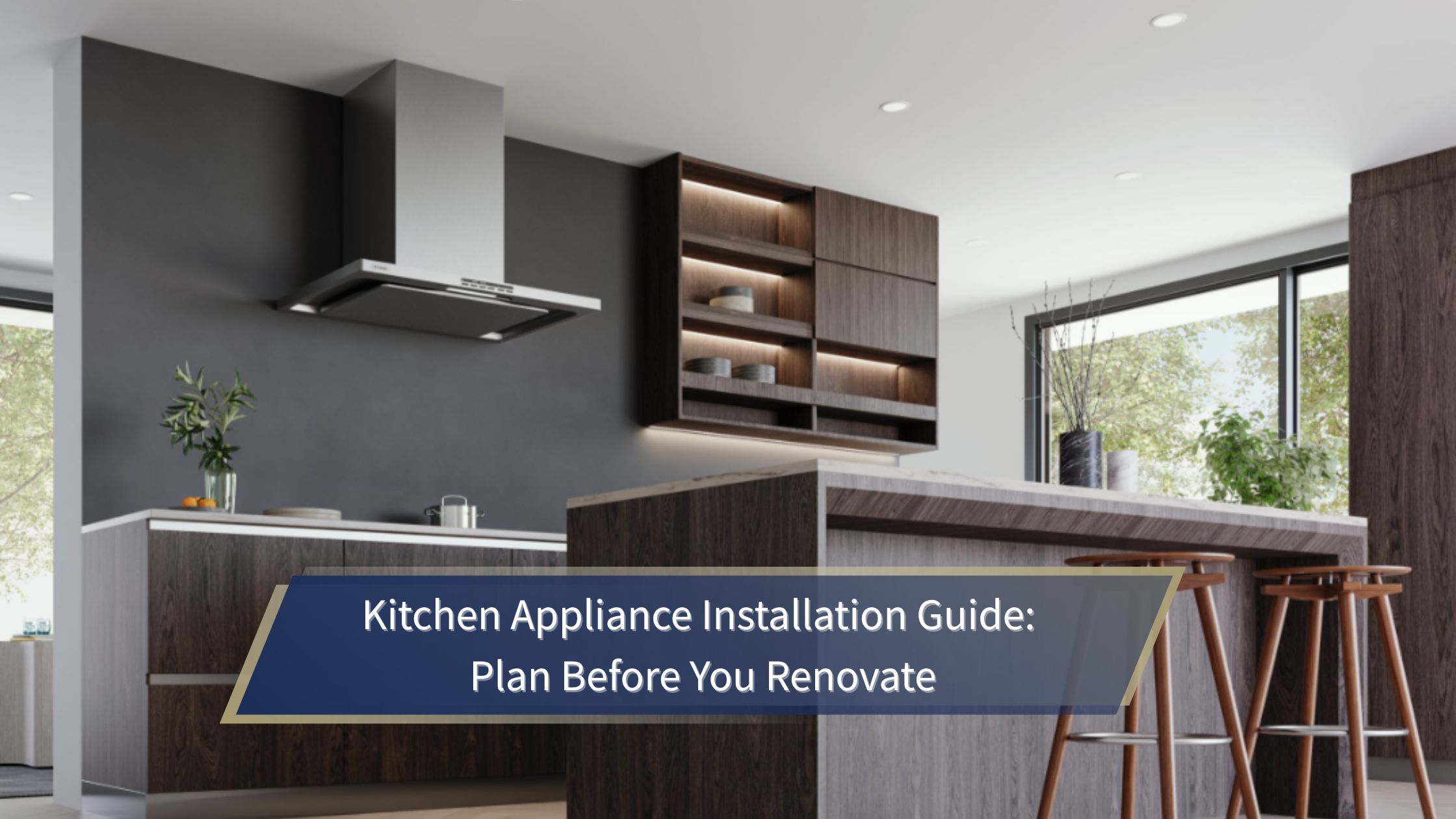
Most of the time, when planning a kitchen renovation, our thoughts go straight to the fun parts: colour schemes, cabinets, shiny new countertops, and so on. Yet, behind the beauty of marble tops and glossy tiles, there’s a reality many homeowners overlook: planning where and how your kitchen appliances fit in. The right sizes, features, and placement matter.
Without this, even the most stylish kitchen may end up as a centrepiece that looks nice but lacks the comfort and practicality you need. Poor installation planning leads to misaligned hobs, ovens crammed into awkward corners, weak ventilation that traps cooking fumes, and ultimately, wasted investment.
This is why planning goes beyond aesthetics. It’s about ensuring your kitchen works as beautifully as it looks. FUJIOH understands this balance. Their hobs, hoods, and ovens are engineered not just for sleek style but also for practical integration into modern kitchens. In this guide, we’ll walk step by step through how to plan kitchen appliance installation before you renovate, so your kitchen delivers on both looks and lasting function.
The foundation of any renovation lies in the layout. A kitchen may look stunning in photos, but if movement feels awkward, cooking quickly becomes a challenge. This is where the workflow principle comes in: preparing, cooking, and cleaning should flow naturally without wasted time or effort.
A timeless guideline is the Work Triangle. The hob, sink, and fridge form three points of a triangle, keeping essential tasks within easy reach. In Malaysia’s compact kitchens, this triangle often has to adapt, but the principle remains just as valuable.
Early planning for cabinetry, electrical points, and ventilation paths is equally important. Once walls are tiled and carpentry is in place, moving these becomes expensive and disruptive.
FUJIOH kitchen appliances are designed with space efficiency in mind. Their built-in models blend into cabinetry and free up counter space, making them especially ideal for homes where every inch counts. With proper planning, they fit seamlessly into your kitchen without any last-minute compromises.
Every Malaysian kitchen revolves around the hob. From frying sambal to simmering soups, it is the heart of daily cooking, which makes hob placement one of the most important decisions during renovation.
Avoid placing the hob too close to windows, as strong gusts of wind can disrupt the flame or spread oil splatters. Ideally, leave enough counter space on both sides so that chopping, prepping, and cooking flow seamlessly.
When it comes to choosing the right hob, most homeowners generally decide between gas and induction. Each has different installation requirements and safety considerations, so it’s worth knowing what to prepare for before finalising their placement.
Gas vs Electric / Induction:
FUJIOH’s FH-GS3030 SVGL Gas Hob is designed for these needs. Its adaptable cut-out fits different countertop sizes, making it easy to install whether you’re renovating an old kitchen or starting fresh. The removable burners make cleaning far simpler, reducing greasy build-up that often gets trapped in hard-to-reach corners. Added features like heat-protective knob shields provide extra safety, preserving both the appliance and your hands.
FUJIOH Built-In Gas Hob FH-GS30
By planning ahead, you not only ensure safe daily cooking but also protect your investment, allowing your hob to deliver reliable performance for many years.
Many homeowners underestimate the importance of proper ventilation, only to regret it later. Cooking often means high heat, spices, and generous use of oil. Without proper ventilation, these flavours don’t just stay in the pan, they linger in the air, cling to cabinets, and spread throughout the home. A well-installed hood is what keeps your kitchen fresh, free of smoke, grease, and odour.
Before renovation begins, decide on the ducting path. A ducted hood expels fumes outside the house and offers the strongest performance, but it requires planning for an outlet. If your home design does not allow this, a recirculating hood is the alternative. It filters and cleans the air before releasing it back into the kitchen. Both options work well, but the choice depends on your home’s structure and available space.
Placement is equally important. The hood should be mounted at the correct height, approximately 65–75 cm above the hob, depending on the hood type – to achieve optimal suction. Mount it too high and fumes will escape; too low and cooking becomes uncomfortable. The surrounding cabinetry should also allow sufficient space for filters, ducting, and regular cleaning access, otherwise maintenance becomes a struggle later on.
The FUJIOH FR-CL1890 R/V Cooker Hood is designed to handle any style of cooking with ease. Its Aqua Silt Spinning Disk captures up to 94% of oil, drastically reducing greasy residue in your kitchen. The patented OIL SMASHER high-speed disc keeps oil from reaching the fan and motor, preventing clogging and protecting long-term performance. On top of that, its sleek, space-saving design integrates neatly into modern cabinetry without compromising smart features.
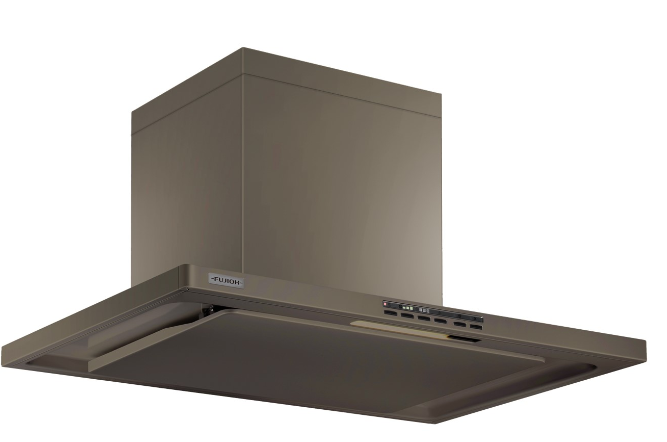
With the right installation, a hood not only protects your cabinets and walls but also contributes to a healthier, more comfortable home environment.
And once ventilation is taken care of, the next step in building a fully functional kitchen is planning for your oven, the centrepiece of modern, built-in convenience.
More Malaysians are choosing built-in ovens for their sleek design, space-saving function, and versatility. However, unlike countertop appliances, a built-in oven requires proper planning to ensure both safety and seamless integration.
The first step is deciding on placement. Ideally, the oven should sit at eye level, making it safer and more comfortable to handle hot trays without unnecessary bending or lifting. Proper clearance around the unit is essential too, ventilation gaps recommended in the product manual must be observed so that heat circulates freely and the appliance runs efficiently.
Another critical factor is the power supply. Built-in ovens require a dedicated electrical line that can handle their wattage. Connecting them to shared or overloaded sockets not only reduces performance but also creates safety risks. This is why wiring and socket placement must be planned during renovation.
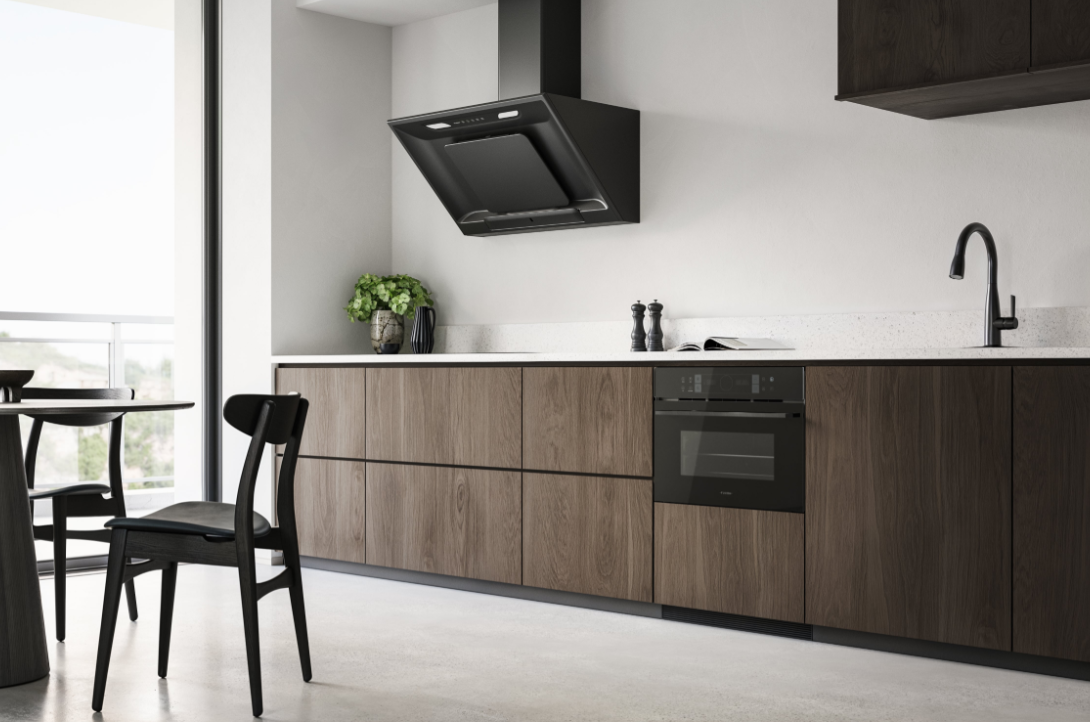
The FUJIOH FV-AL81 Built-in Oven is a practical choice for modern Malaysian homes. With its 7-in-1 functionality, grill, steam, bake, fry, stew, microwave, and dehydrate. It replaces the need for multiple appliances, instantly freeing counter space. Despite its compact 46-litre capacity, it is spacious enough to prepare family meals, yet small enough to fit comfortably in kitchens with limited room. Its clean, built-in design blends smoothly into cabinetry, creating a modern and clutter-free look.
Considering your oven early in the renovation process is key. Planning ahead ensures the carpentry is designed to fit perfectly, avoiding awkward gaps, poor ventilation, or expensive retrofitting once cabinets are installed.
A dream kitchen isn’t just about polished tiles or grey-and-white colour combinations. It’s about creating a space that makes cooking more efficient, safe, and enjoyable.
Planning electrical points, gas cylinder connections, and ventilation access before renovation ensures your kitchen not only looks impressive but also functions beautifully.
FUJIOH’s appliances are built with modern lifestyle in mind: easy to clean, safe to use, and stylishly designed. From hobs with removable burners and protective knob shields, to hoods with oil-smashing technology, to an oven that combines seven cooking modes in one, FUJIOH helps future-proof your kitchen while saving you stress in the long run.
Discover FUJIOH’s latest collection of hobs, hoods, and ovens to start planning your renovation with remarkable looks and features.
Q: How do I choose the right hob for my kitchen renovation?
A: Start by considering your cooking style and kitchen size. Gas hobs are ideal for heavy wok cooking and versatile meal preparation, while electric / induction hobs are great for quick, energy-efficient cooking with precise temperature control. FUJIOH offers both options in sleek, space-saving designs that fit seamlessly into modern kitchens.
Q: What is the correct height between the kitchen hood and hob?
A: The installation height depends on the type of hood. For most traditional T-shape or slim hoods, the recommended distance is about 65–70 cm above the hob. L-shape hoods may require a different height, so it’s best to follow the product manual for exact guidelines. Proper installation ensures maximum suction performance and safety.
Q: Do built-in ovens need special ventilation?
A: Yes. Proper ventilation is essential. Always leave ventilation the gaps recommended in the product manual to prevent overheating and prolong the lifespan of your oven.
Q: Should I get a ducted or recirculating hood?
A: Ducted hoods are generally more effective at removing smoke and odors, but not all homes allow for ducting. FUJIOH’s recirculating models are specially designed to deliver strong performance even in apartments and compact kitchens.
Q: Can I install FUJIOH appliances on my own?
A: Professional installation is recommended to ensure safety, proper alignment, and to maintain your warranty coverage.
