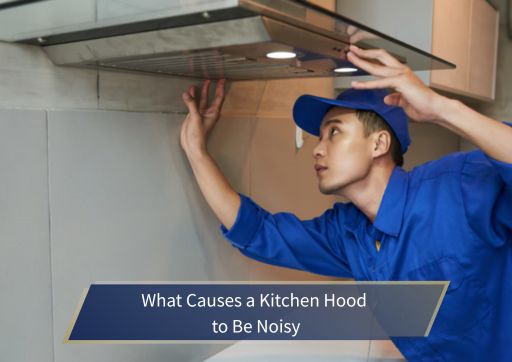
Does your cooker hood sound louder than your blender? You are not alone. Many homeowners accept kitchen noise as normal, only realising something is wrong when the sound becomes disruptive. A cooker hood is designed to extract smoke, grease, and heat quietly, not to dominate the space or contribute to kitchen noise.
In a well-functioning kitchen, a cooker hood should operate with a low, steady hum that is barely noticeable. Vibrations, rattling, or knocking often signal an underlying issue. Excessive noise can result from poor installation or lack of maintenance, potentially damaging internal components and amplifying sound.
Understanding the causes of range hood noise helps prevent further problems. Here’s what may be behind the sound and how to address it before it becomes a daily frustration.
Cooker hood noise rarely appears without cause. In most cases, it develops gradually as airflow becomes restricted, or internal components accumulate grease and dust. Identifying the source makes it easier to choose the right solution.
Grease from daily cooking naturally collects on filters and fan blades. Over time, this buildup restricts airflow, forcing the motor to work harder to draw air through the system. This can increase noise levels, even if the hood was quiet before.
As strain increases, the hood may produce a louder humming sound. You may also notice reduced extraction performance, with steam and odours staying in your kitchen longer than usual. These signs often appear together and worsen over time.
Regular filter cleaning or replacement helps maintain airflow and prevents the motor from overworking. Models with oil-repellent fan, such as FUJIOH FR-LW2490 V help keep kitchens quieter when maintained properly.
Continuous vibration from daily use can gradually loosen screws, panels, or mounting points inside the hood. When this happens, components may vibrate against each other, producing rattling or buzzing noises.
In some situations, the noise isn’t coming from the motor itself but from the hood casing or duct cover responding to airflow movement. Recirculating hoods or units with loosely fitted panels are particularly prone to this issue, as extra movement allows vibrations to travel through the unit.
Slim hood designs usually reduce movement. They achieve this with precise panel fitting. A simple check and tightening of screws or panels often resolves the issue and prevents further wear.
Mechanical, grinding, or metallic sounds are clear signs that a cooker hood motor is wearing out. Over time, accumulated grease and dust increases resistance inside the motor, placing stress on internal bearings and rotating parts. Older motors are particularly vulnerable, as they are less able to cope with prolonged strain.
When oil, grease or dust becomes heavily clogged, the noise often becomes sharper and more constant. Surface cleaning alone is no longer sufficient when the motor is worn. Continued use may worsen internal damage, potentially leading to sudden failure.
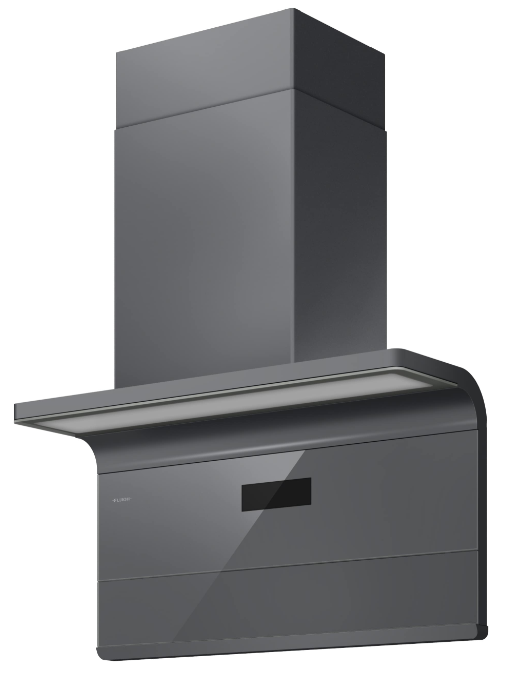
Modern hoods such as the FUJIOH FR-LW2490 V are equipped with a BLDC motor that is designed for steadier and quieter operation. Its oil repellent fan reduces grease adhesion, while the Heat Clean function melts and removes residual oil, preventing imbalance and motor vibration. If a motor is too worn, replacement is usually the safest and most practical option.
Even a high-quality hood can become noisy if the ducting is poorly installed. Ducts should be straight, unobstructed and securely mounted with minimal bends.
Improper alignment or loose mounts can transmit vibration through walls or ceilings, making noise more noticeable, especially in open-plan kitchens. Professional installation and well-planed ducting are essential for quiet, efficient operation.
Some cooker hoods are inherently louder due to their design. Older or basic models may have minimal noise insulation and unoptimised airflow, making standard suction noisy.
Modern hoods, like the FUJIOH FR-CL1890 V cooker hoods, use carefully engineered airflow paths and balanced motors to reduce vibration, ensure smooth air movement, and maintain low noise levels even during intensive cooking.
If noise persists despite regular maintenance, it may simply be a limitation of the hood’s design. Choosing the best cooker hood model designed for quiet efficiency ensures a consistently pleasant kitchen environment.
If your cooker hood is more than 8 years old and remains noisy despite cleaning and adjustments, it may be nearing the end of its service life. Older models were not designed to meet today’s standards for quiet performance or energy efficiency.
Modern hoods are easier to maintain, quieter, and more efficient. Features like optimised airflow channels, balanced BLDC motors, and advanced fan coatings help prevent grease buildup, reduce wear and prolong lifespan.
If you find yourself raising your voice while cooking, it’s a clear sign that an upgrade could restore comfort and efficiency in your kitchen.
Most cooker hood noise issues start with manageable problems such as grease buildup or loose components. Addressing these early helps maintain performance and extends your cooker hood’s lifespan.
A quiet kitchen supports relaxed cooking and a more comfortable home environment. When your hood operates smoothly, it becomes a silent partner rather than a distraction.
If maintenance no longer resolves the issue, upgrading to a hood designed for quiet performance can transform your kitchen experience, benefiting both your ears and your home.
Q: Why is my kitchen hood suddenly much noisier than before?
A: This usually happens due to grease or dust accumulating on the fan or filters. Loose screws or worn internal parts can also rattle, creating more noise.
Q: Can cleaning my cooker hood really reduce noise?
A: Yes, but it is not guaranteed. When oil and grease build up on the fan or filters, airflow becomes restricted and the motor has to work harder, which increases noise. Cleaning or replacing these parts can help restore smooth airflow and reduce noise levels. However, if the noise is caused by a worn motor or loose internal components, cleaning alone may not fully solve the issue.
Q: How do I know if the motor is causing the noise?
A: Grinding, buzzing, or metallic sounds typically indicate worn motor parts or bearings that are no longer spinning smoothly.
Q: Does ducting installation affect cooker hood noise?
A: Yes. Long, narrow, or sharply bent ducts can create turbulence and increase noise. Straight, properly installed ducts reduce vibration and motor strain.
Q: Are modern cooker hoods quieter than older ones?
A: Yes. Modern design cooker hoods from FUJIOH use BLDC motors, optimised airflow, and oil-repellent fans. The oil-repellent fan keeps the blades cleaner, reducing friction and imbalance, which allows the motor to operate smoothly and quietly.
Q: How often should I inspect or clean my hood?
A: Clean filters and fan blades every 1–2 months, check screws and panels every 3–6 months, and review ducting at least once a year for smooth airflow.
Q: When should I replace my noisy hood?
A: If the hood is over eight years old or remains noisy despite cleaning, tightening, and duct adjustments, replacement is usually the better option.
Q: Can upgrading to a FUJIOH hood make a difference?
A: Yes. FUJIOH hoods are designed for quiet and efficient operation, thanks to BLDC motors, balanced airflow, and oil-repellent fans, ideal for open-plan kitchens.
